









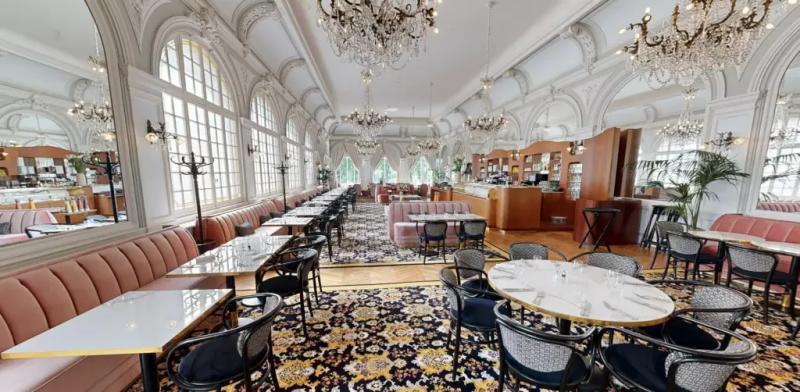
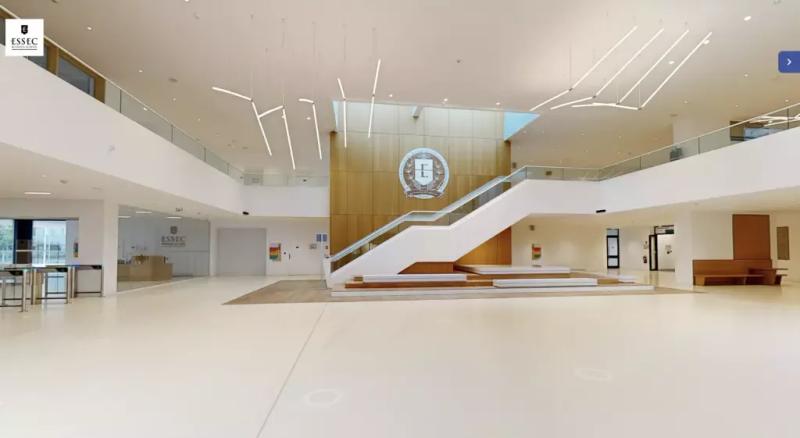
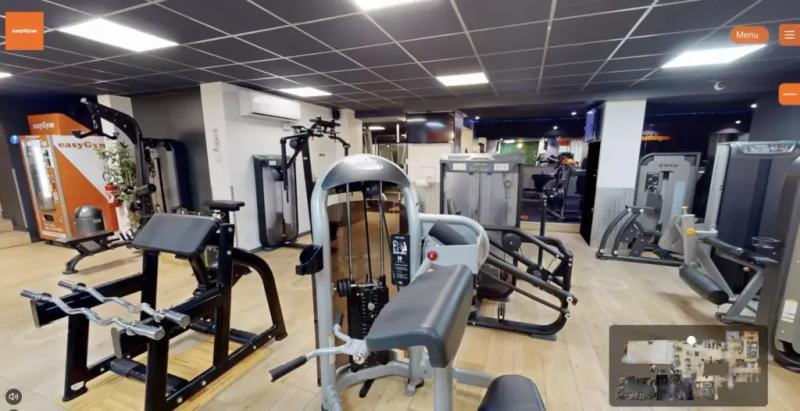





Fancy a trip back in time?
It may look like a very recent technology, but the 360° virtual tour has a little-known history that turns out to be fascinating once you look into it. Here is where virtual tours really come from.
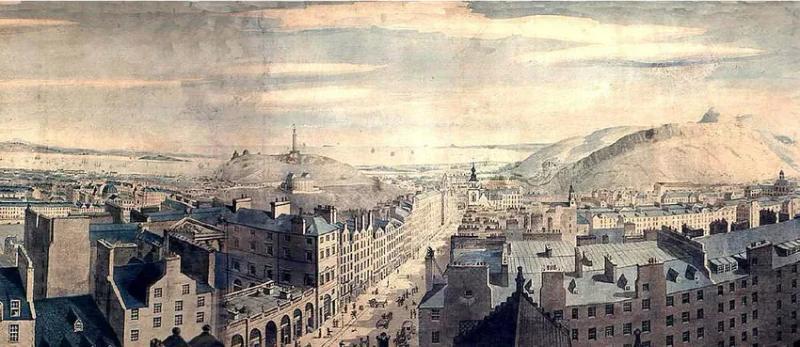
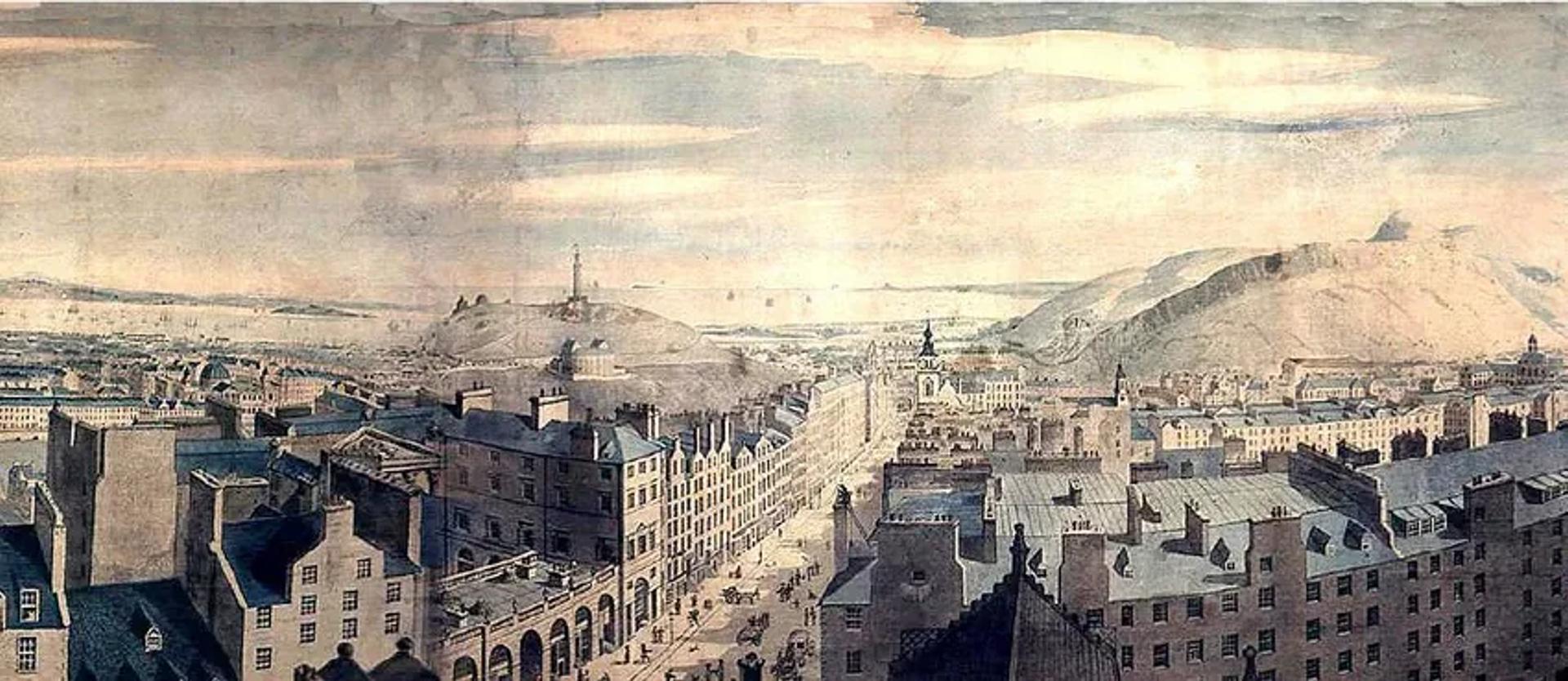
The first philosophical and conceptual idea of a virtual tour can be traced back to Plato, around 347 BC, with the allegory of the cave. But the first actual representation came in 1787, when Robert Barker painted the first 360° panorama in Edinburgh. At the time, panoramic paintings were often used to depict battles and famous historical events.
Then came the stereoscope, an optical instrument invented by Sir Charles Wheatstone in 1838 to view three-dimensional images. It consists of two eyepieces, one for each eye, mounted on a frame. The user looks through the eyepieces and sees two slightly different images of the same scene, which the brain then combines into a single three-dimensional image. This was the beginning of the 3D image!
In 1877, Eadweard Muybridge produced the first 360° photographic panorama in San Francisco. The inventor of time-lapse took a series of panoramic photographs of the city with his own creation, the 360° camera, then pieced them together into a complete view of San Francisco.
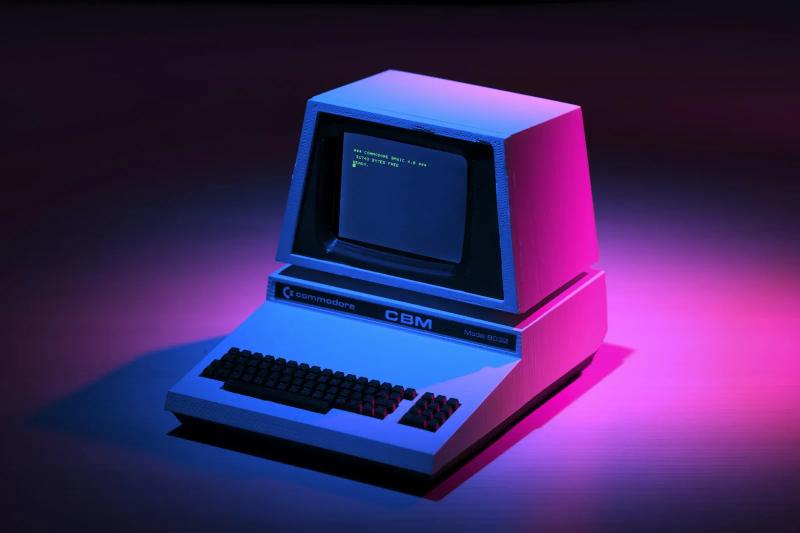
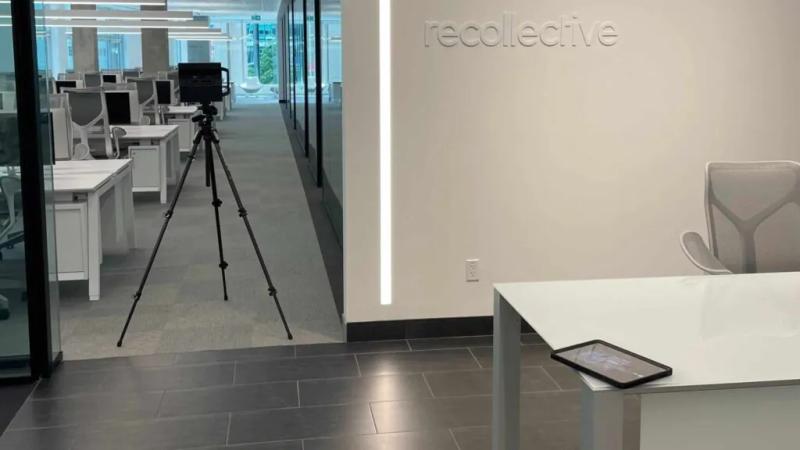
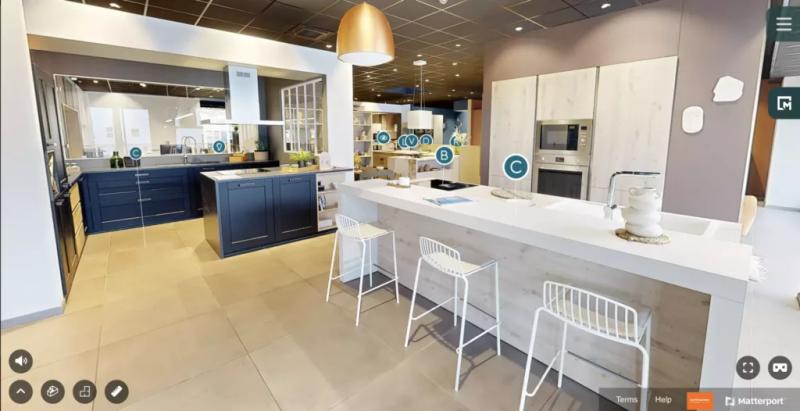
As still and video cameras improved, the virtual tour was born in 1990, first in Java and then with Apple’s QuickTime VR. QuickTime VR brought the tool to a wider audience by creating interactive panoramic virtual tours in real time. Today there is more and more hardware and software for creating interactive shots, including the Matterport technology we use at easyVirtual.tours!
The term ‘virtual tour’ as we know it is less than 20 years old. Virtual tours were originally intended for the property sector and for museums. The technology has kept evolving ever since, and in 2007 Google launched Google Street View.
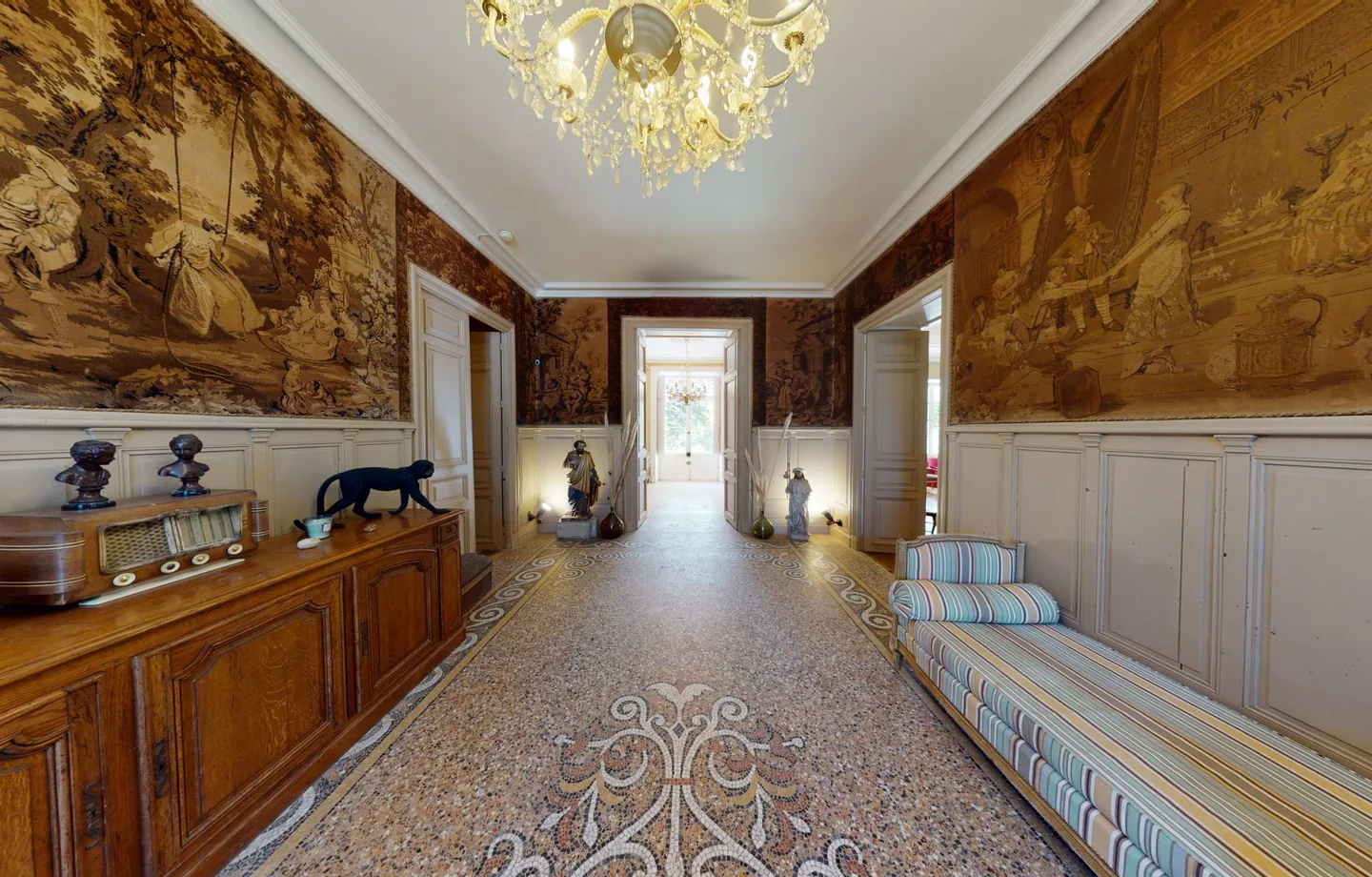
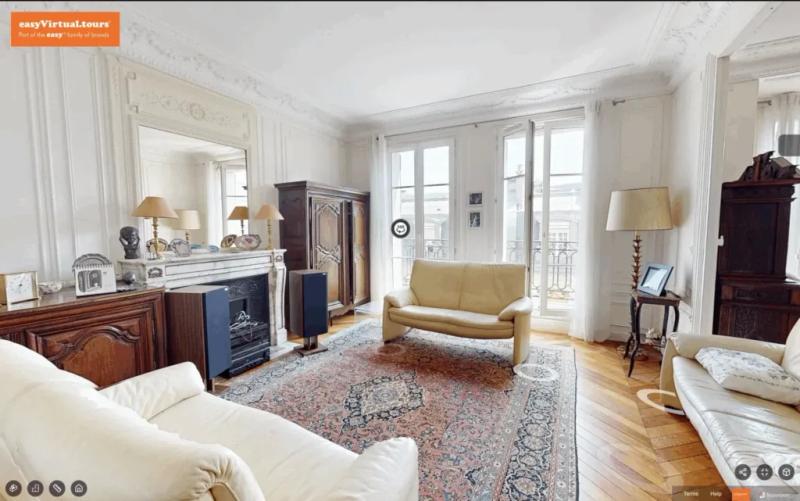
Today, virtual tours offer high-quality images and, thanks to the features available, full immersion. Visitors get a genuinely immersive experience. Virtual tours are fast becoming the standard way to preview a property or a business, and they are a real digital marketing tool. From homeowners looking to win over potential buyers to businesses keen to show off their premises and services, plenty of people are making the most of this marketing innovation.
You can see for yourself how far virtual tours have come by visiting historic places from your sofa, right here on our website!