















What it costs to open a restaurant, and how to make it work, from the equipment list to getting the word out.
Opening a restaurant is an ambitious project that needs careful planning, starting with the budget. To succeed, you need a clear view of the main expenses: fitting out the premises, buying equipment and marketing. This article walks you through the costs to expect, the essential equipment and some tips for making your investment go further, while drawing in customers with new tools such as the virtual tour.
How much does it cost to open a restaurant in France?
When you ask how much it costs to open a restaurant, the answer varies enormously depending on several factors: the location, the type of cuisine, the size of the premises, the customers you are targeting, and much more.
Your budget for opening a restaurant needs to fit the kind of restaurant you want to open. Set out your goals clearly and decide what sort of place you want to offer your customers. Each type of establishment has different needs, in terms of both infrastructure and equipment, and those choices have a direct effect on the total amount you will need to invest.
1. Small restaurant or fast food:
For a small establishment, often a fast-food outlet or a neighbourhood restaurant, the budget is usually between €50,000 and €150,000. This kind of restaurant is generally cheaper to get started, thanks to a simpler offer and smaller premises.
2. Traditional restaurant:
For a medium-sized restaurant seating 50 to 100 covers, the budget usually rises to between €150,000 and €300,000. This type of establishment calls for particular care over service, fit-out and atmosphere, which are key to building a broader base of regulars.
3. Fine-dining restaurant:
If you are planning an upmarket establishment, with sophisticated cooking and luxurious surroundings, the budget can reach €300,000 to €1,000,000. A project like this needs a great deal of thought, not only about the food and the architecture but also about the brand, because customers in this segment expect a great deal.
These figures are only estimates, but they show how widely costs can vary. The differences come down to your market positioning and the customers you are aiming for.
Many establishments already trust us.
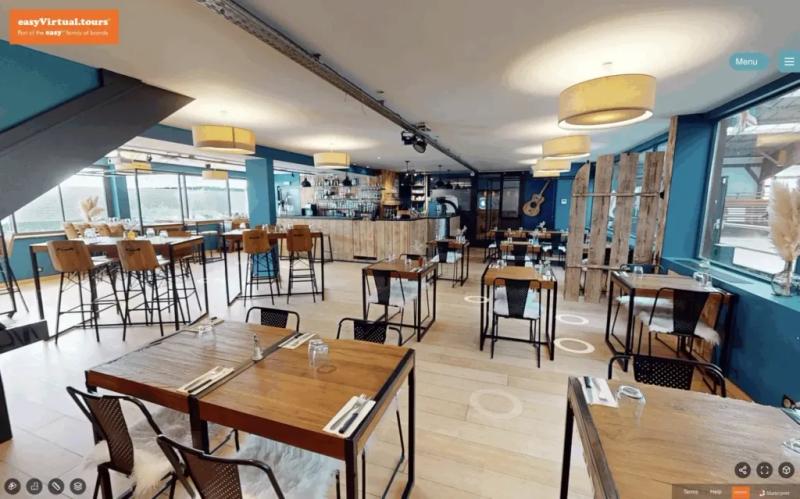
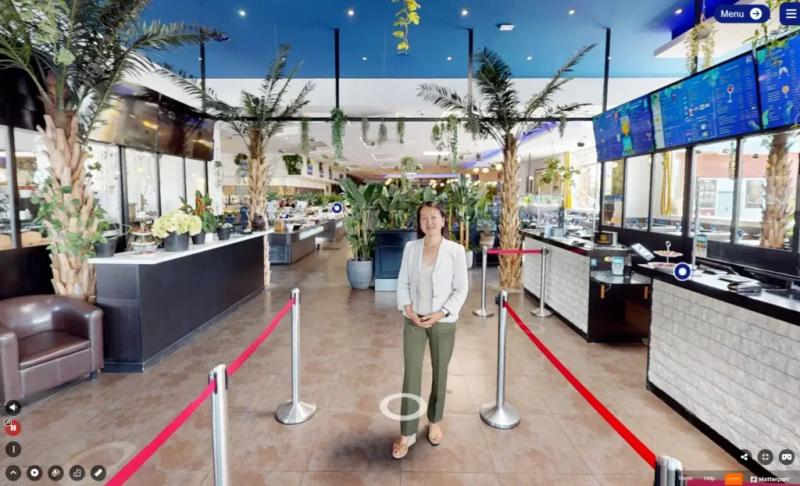
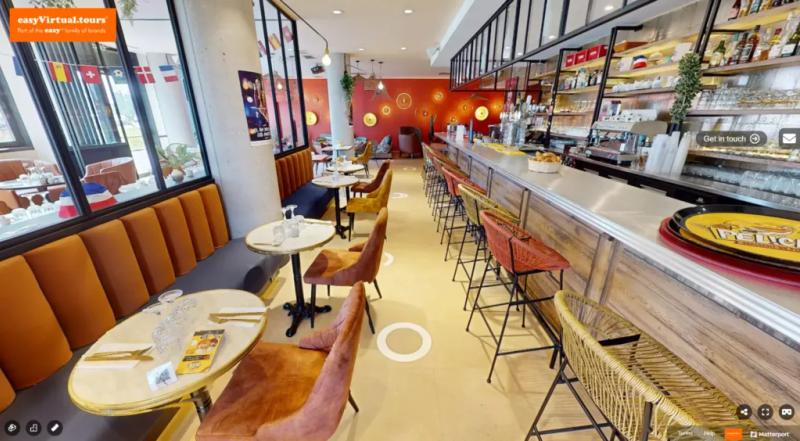
The different costs of opening a successful restaurant
When you are about to open a restaurant, you need to understand and plan for the different costs involved to make sure your project is viable.
1. Administrative costs: these cover setting up the company, licences (alcohol, food hygiene) and any other permits you need. They are essential to comply with the law, and they vary from one region to another.
2. Premises and running costs: whether you rent or buy, these costs depend on the location and size of the establishment. Prices can vary considerably between a busy town centre and a quieter area. On top of the rent, you will need to allow for bills such as electricity and water.
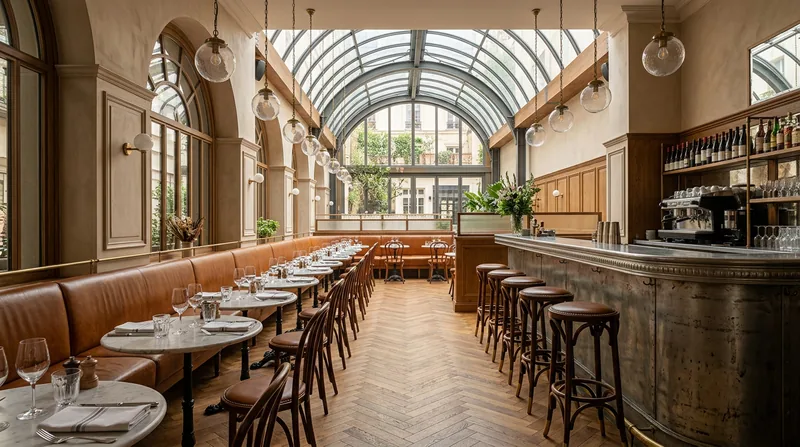
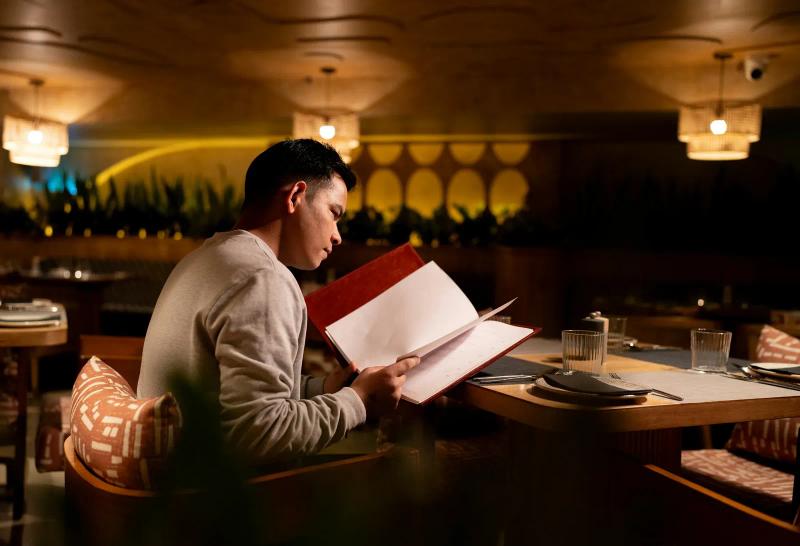
3. Decoration and furniture: decor and furniture are essential to create an appealing atmosphere. The tables, chairs, lighting and other decorative touches should reflect your restaurant's identity and be part of the customer experience.
4. Kitchen equipment and ingredients: professional kitchen equipment, such as ovens, fridges and hobs, is a major investment. You will also need a budget for supplies, meaning the ingredients and drinks needed for service. The equipment list for opening a restaurant will depend on the type of cuisine you offer.
5. Staff costs: these include salaries, employer contributions and other benefits. Whether you hire chefs, waiting staff or kitchen porters, plan these costs carefully: they depend on how many people you need to run the restaurant properly.
6. Marketing and communication: communication is key to attracting your first customers and getting your restaurant known. Today, an online presence is a must. It starts with a website that shows your menu and opening hours and makes it easy to book online. Being active on social media, such as Instagram and Facebook, also helps build a community around your restaurant. Photos of your dishes or upcoming events can spark engagement and catch the eye of potential customers. Alongside these tools, there is another effective and innovative way to communicate: the virtual tour.
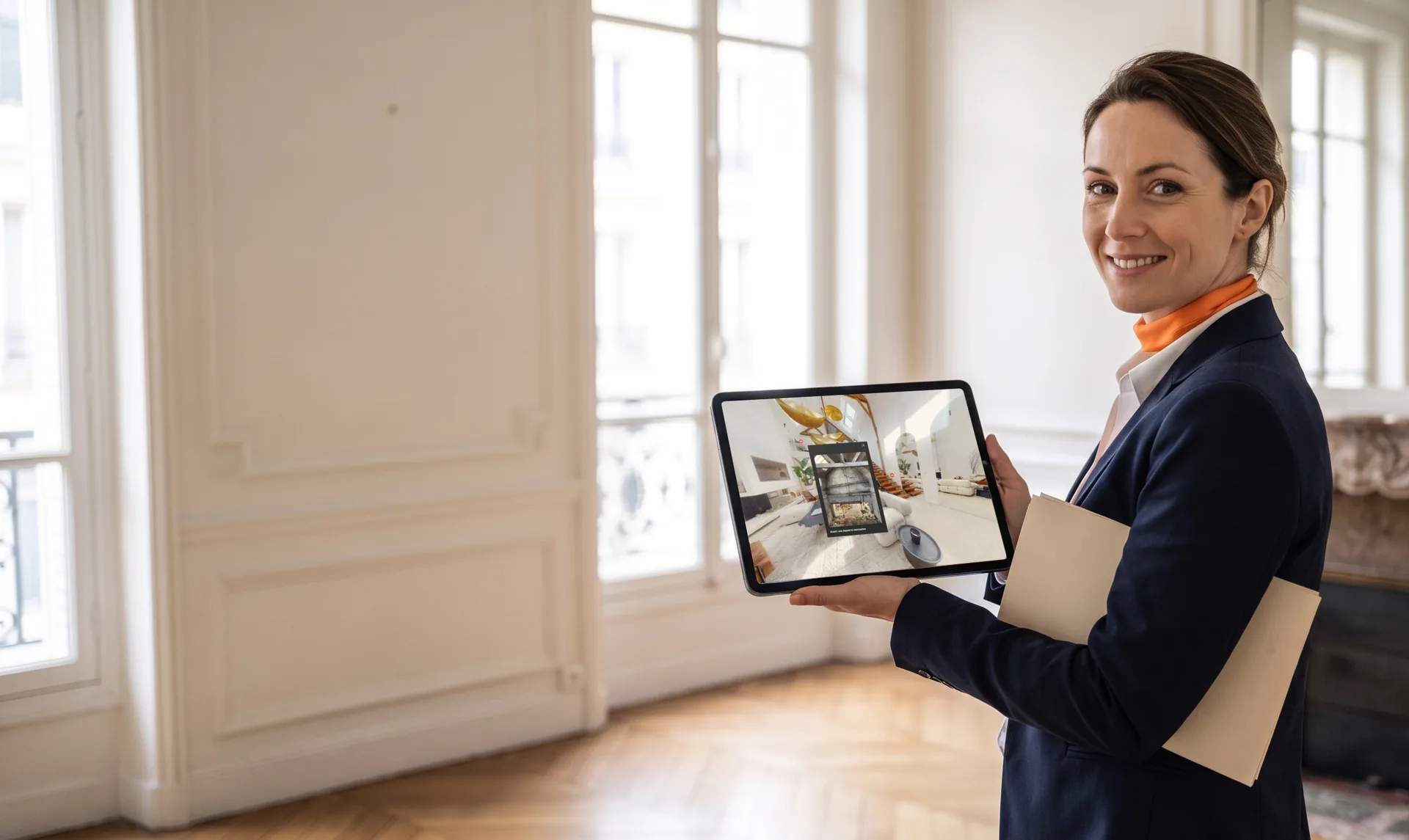
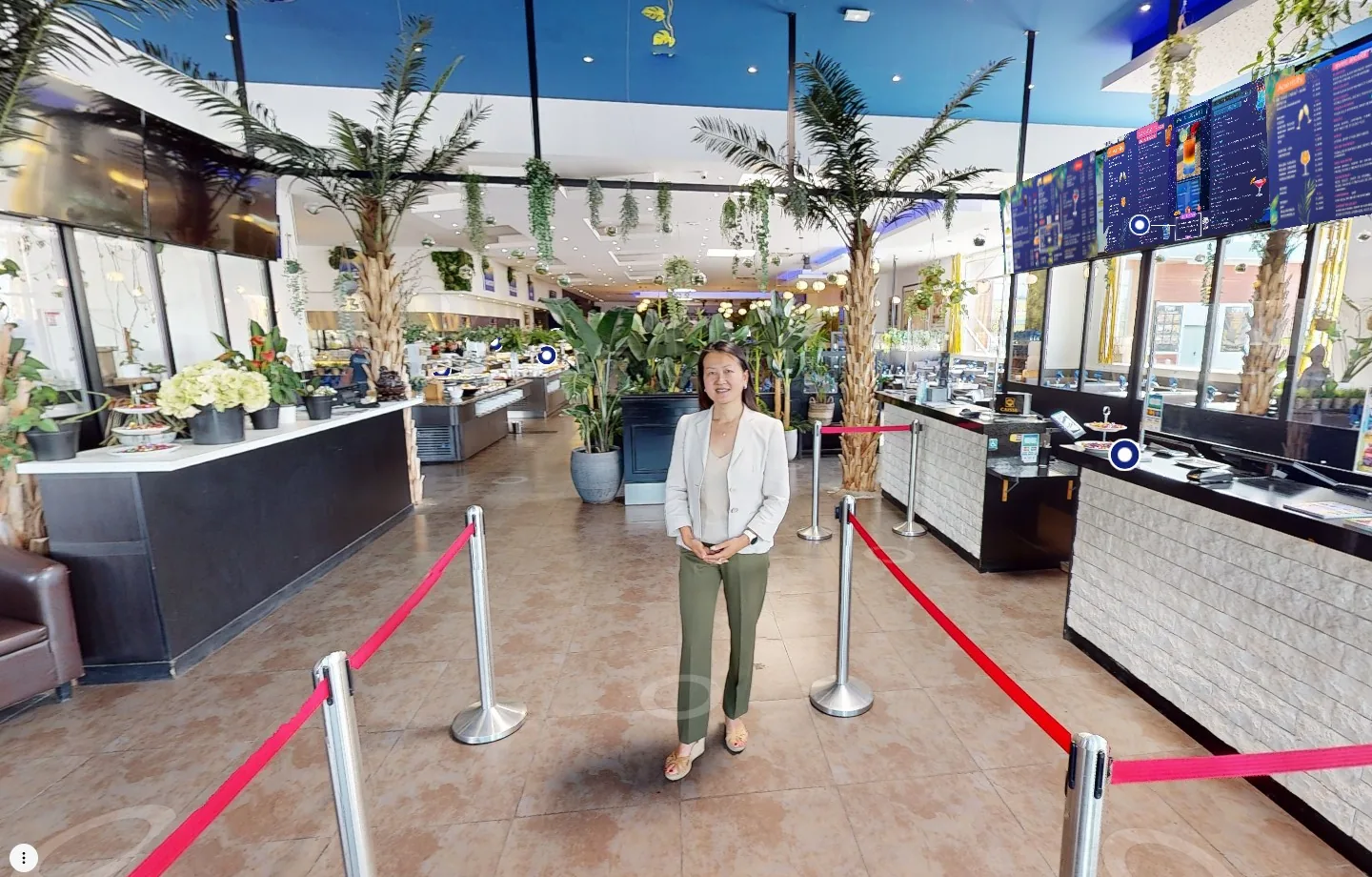
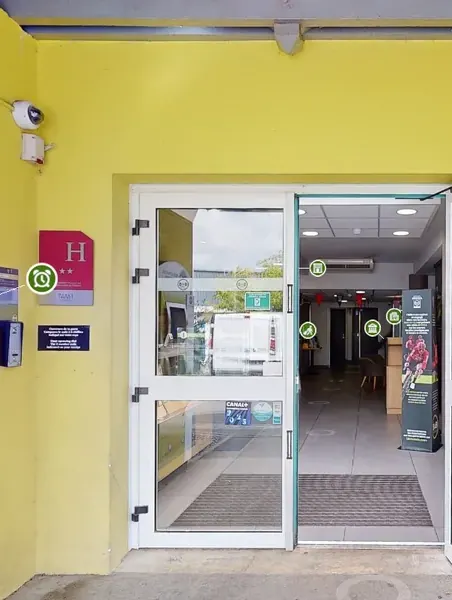
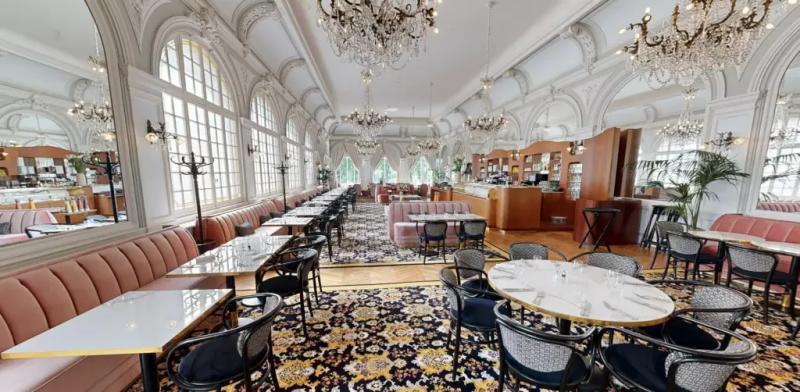
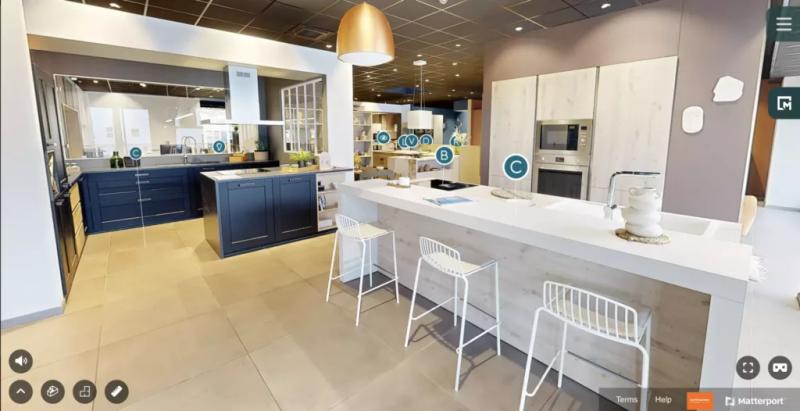
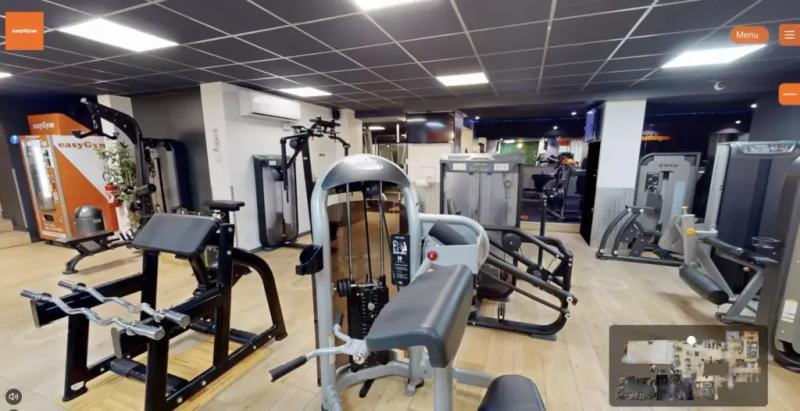
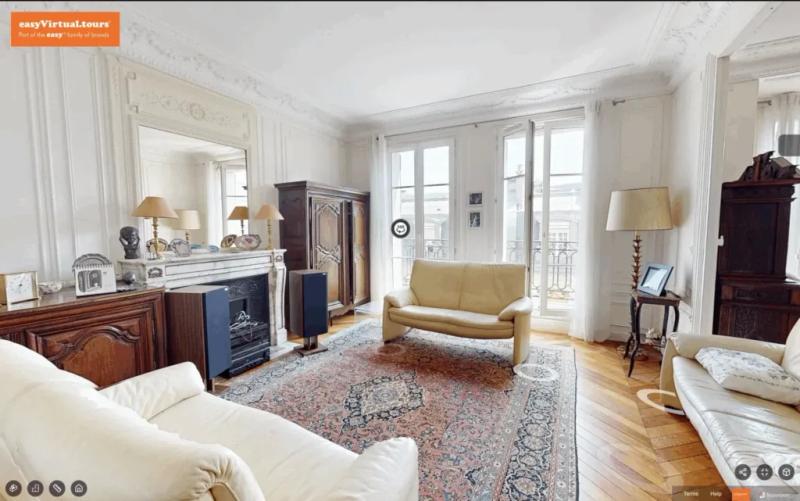
A virtual tour of your establishment lets customers discover your restaurant before they even arrive. It is particularly useful for group bookings and private events, as it gives customers a feel for the space and the atmosphere. As well as building customer confidence, a virtual tour improves your visibility on Google, in particular through Google Maps and your Google Business Profile.
To find out more about our services and see an example of a restaurant virtual tour, click here.
Opening a restaurant takes careful planning and tight control of costs. By making every expense count, from kitchen equipment to marketing, you give yourself the best chance of success. Read our latest articles and advice on our blog, and discover what we offer here.
FAQ
Answers to your questions.
Who is easyVirtual.tours?
easyVirtual.tours, part of the easy family of brands (which also includes easyJet), specialises in creating immersive, interactive, made-to-measure virtual tours designed to showcase independent restaurants.
How does a virtual tour help my restaurant stand out online?
With its high-definition 360° views, a virtual tour lets you show off your restaurant's unique atmosphere and strengths. These interactive tours hold online visitors' attention, increase their engagement and help turn them into real customers.
What are the main features of a virtual tour?
• High-definition 360° views
• Interactive tours with custom points of interest
• Works on every device (computers, smartphones, tablets)
• Easy to add to your website and Google Maps listing
• Updates for the seasons or special events
• Simple sharing on social media to maximise your visibility
Can the virtual tour be updated for seasonal changes or special events?
Every business has its own goals, challenges and priorities, which is why every project is designed to measure. Tell the agency in your area what you need: each agency in the network sets its own prices freely, and aims to offer support for every budget.
Can the virtual tour work with my restaurant's existing online platforms?
Absolutely. The virtual tour fits easily into your website and your Google Maps listing, and can be shared on social media. That makes you more visible online and makes it easier for future customers to discover you and book.