
Hotels & restaurants
— Get guests to book what they have already toured, with no surprises on arrival.
Tourism
— Stay on the shortlist of organisers who compare venues online.
Property
— Pre-qualify your viewers. Buyers explore the property before asking for a viewing.Retail and services
— Open your door to people who are hesitating, even after closing time.Culture & heritage
— Make people want to come and see the real thing, and reach far beyond your walls.Education
— Open days that last all year, not just one day.Health & wellbeing
— Reassure families before their first visit, from a distance.Offices & businesses
— Be chosen from the online search onwards, by prospects and candidates alike.Renovation
— Survey the existing building before the works, then keep a record of it.Local authorities
— Open the town hall and public facilities to every resident, before they even set foot inside.
Lead generation
— Enquiries from people who have seen it all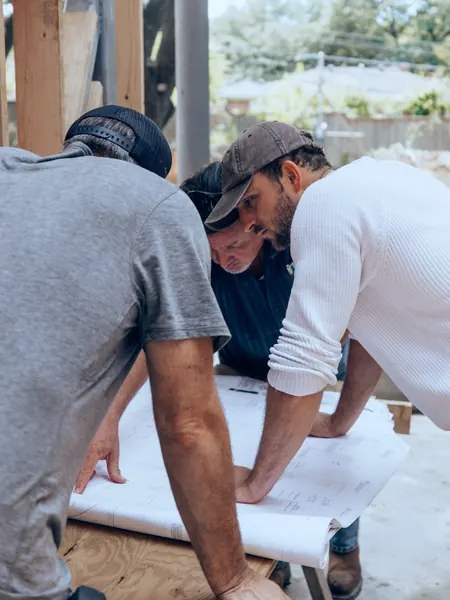
Building renovation
— Survey of the existing building before works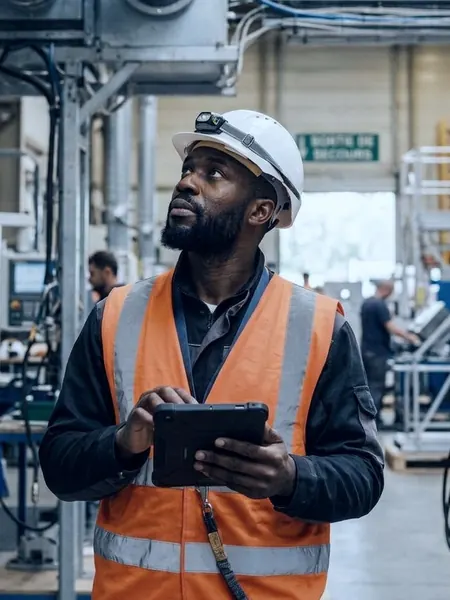
Building management
— 3D survey, BIM model and estate dataFewer wasted viewings
— Only show properties to serious prospectsEmployer branding
— Show candidates your workplaceCSR and accessibility
— Fewer journeys, access for everyoneTraining
— Train people without tying up the siteFire safety
— Exits, shut-offs and evacuation routes mapped

How an IAD agent sold a house stuck for 9 months in under three months
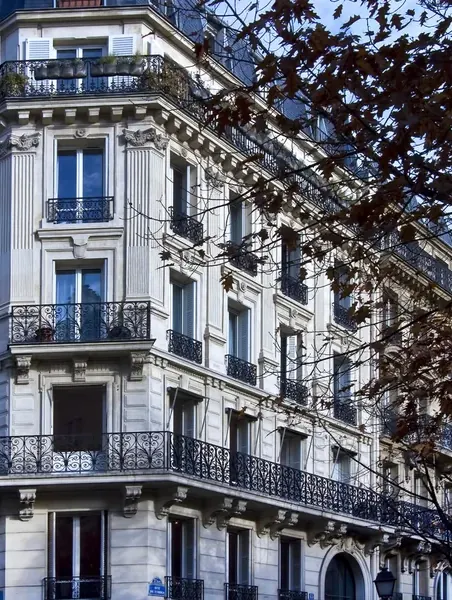

How Office notarial 1661 made its sales smoother and safer with a tour of every property
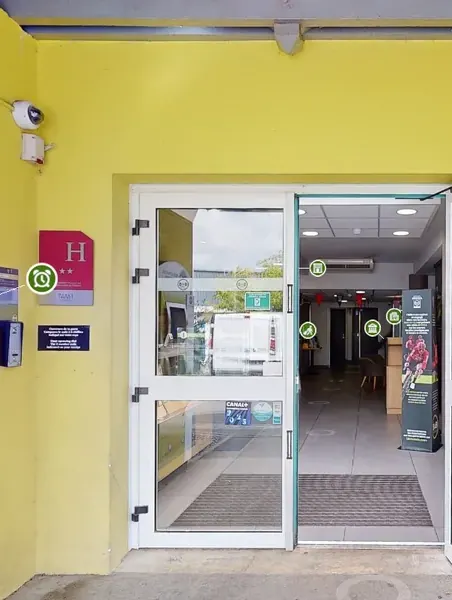

How three B&B hotels made transparency their strongest reason to book
 How an all-you-can-eat buffet won 76 booking intentions from its virtual tour
 How Pigier Dijon built a recruitment channel viewed more than 79,000 times in three months
 How the Ville de Labège catalogued more than 80% of its estate in one year
 How Groupe Fournier cut the design of a store from 10 to 4 days
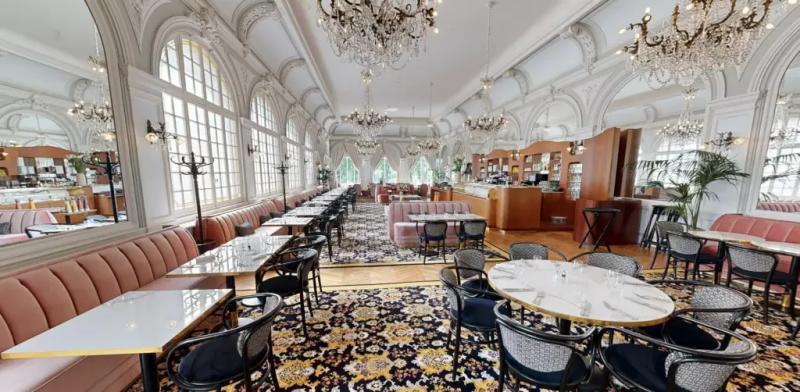 Hôtel Les LumièresHotels & restaurants
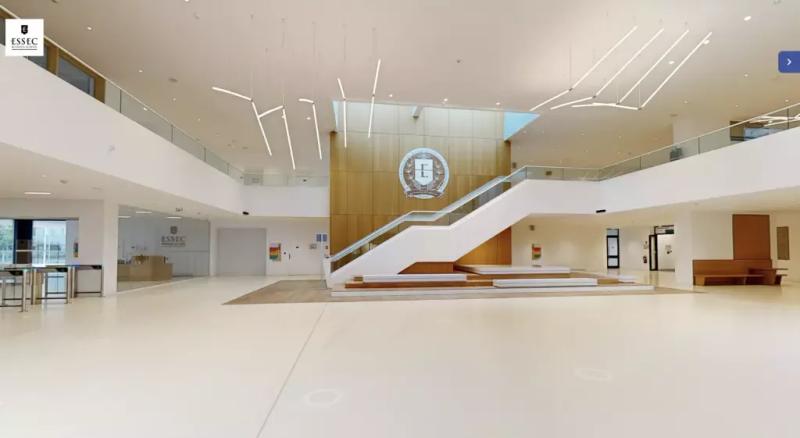 ESSECEducation
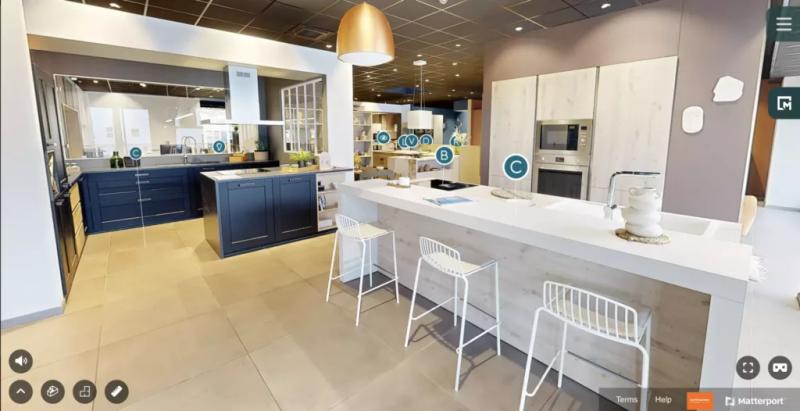 MobalpaRetail and services
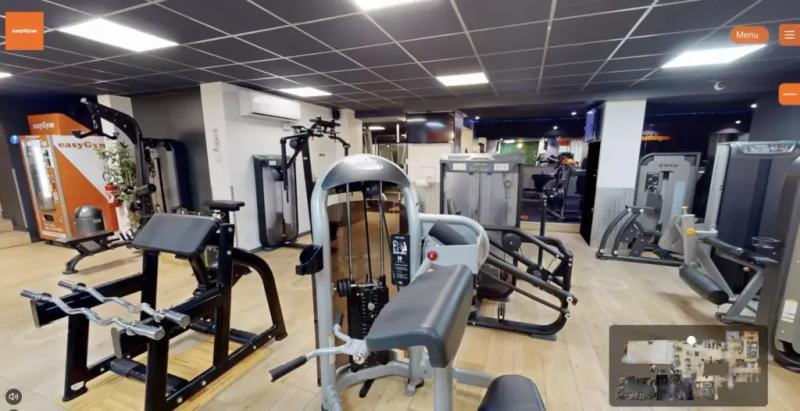 easyGymHealth & wellbeing
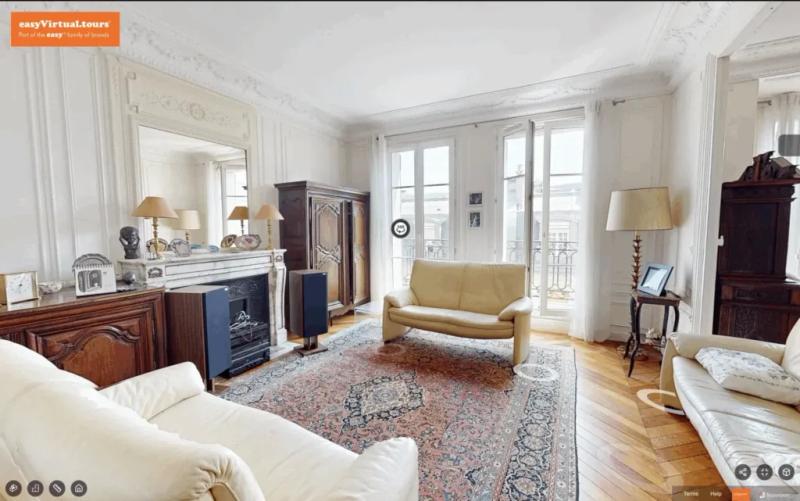 Haussmann-style apartmentProperty



Like them, 1,000+ clients have put their trust in us.
4.9/5 · 188 reviews
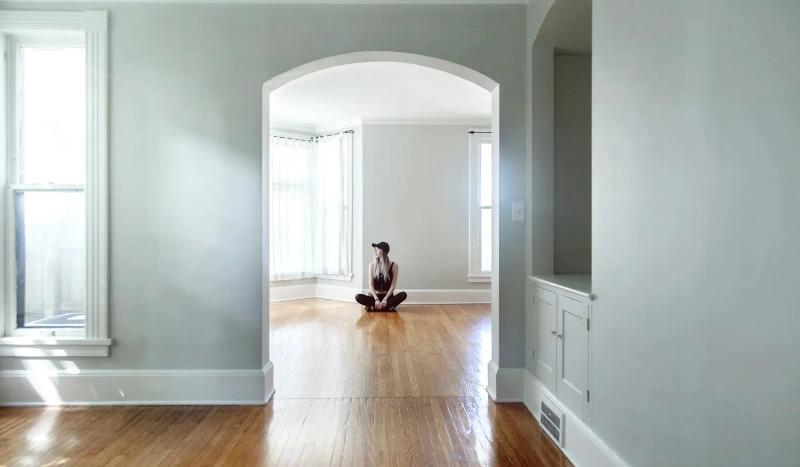
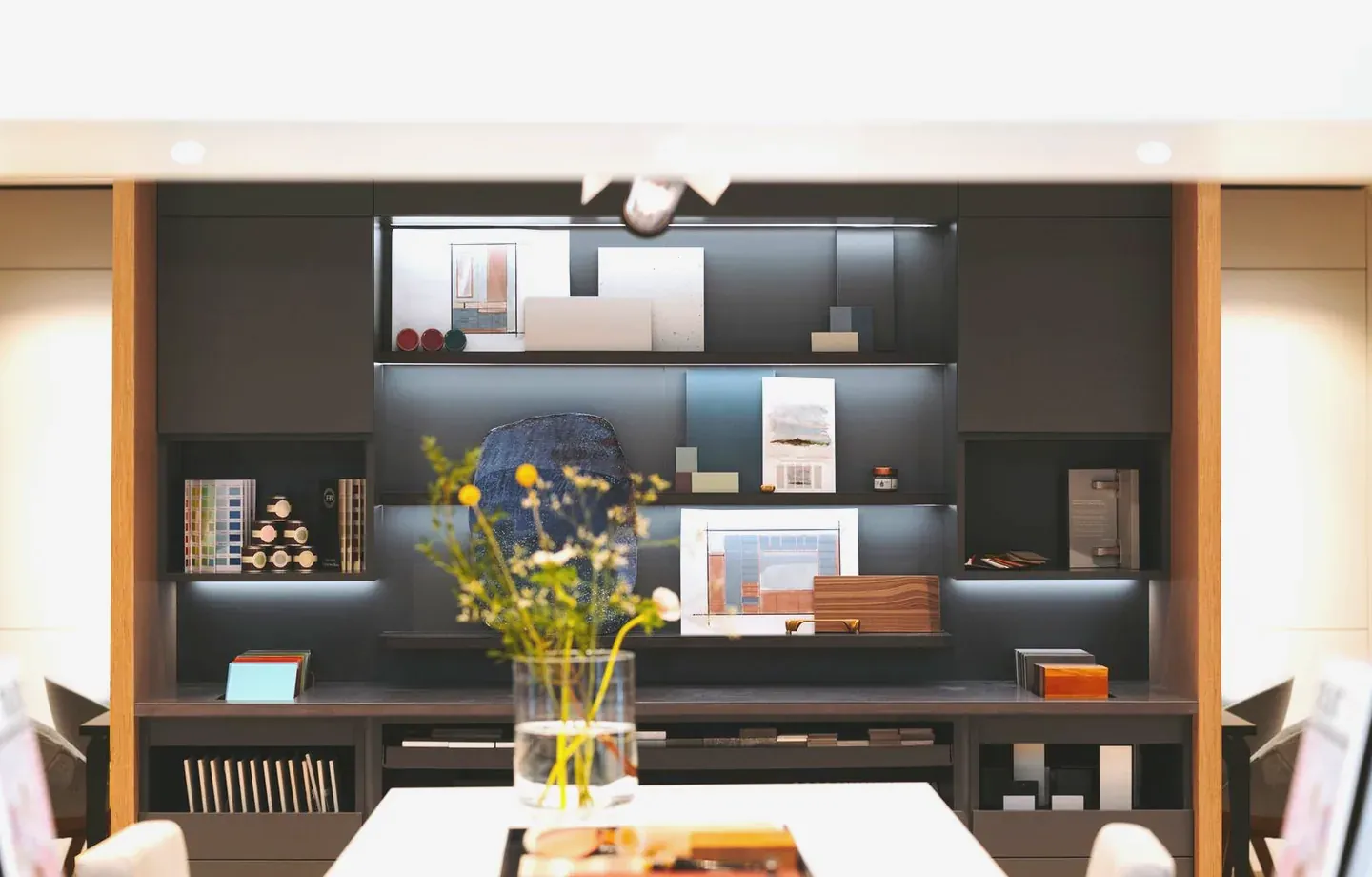
Industry: Commerces et services Balma 2025 Groupe Fournier
How Groupe Fournier cut the design of a store from 10 to 4 days
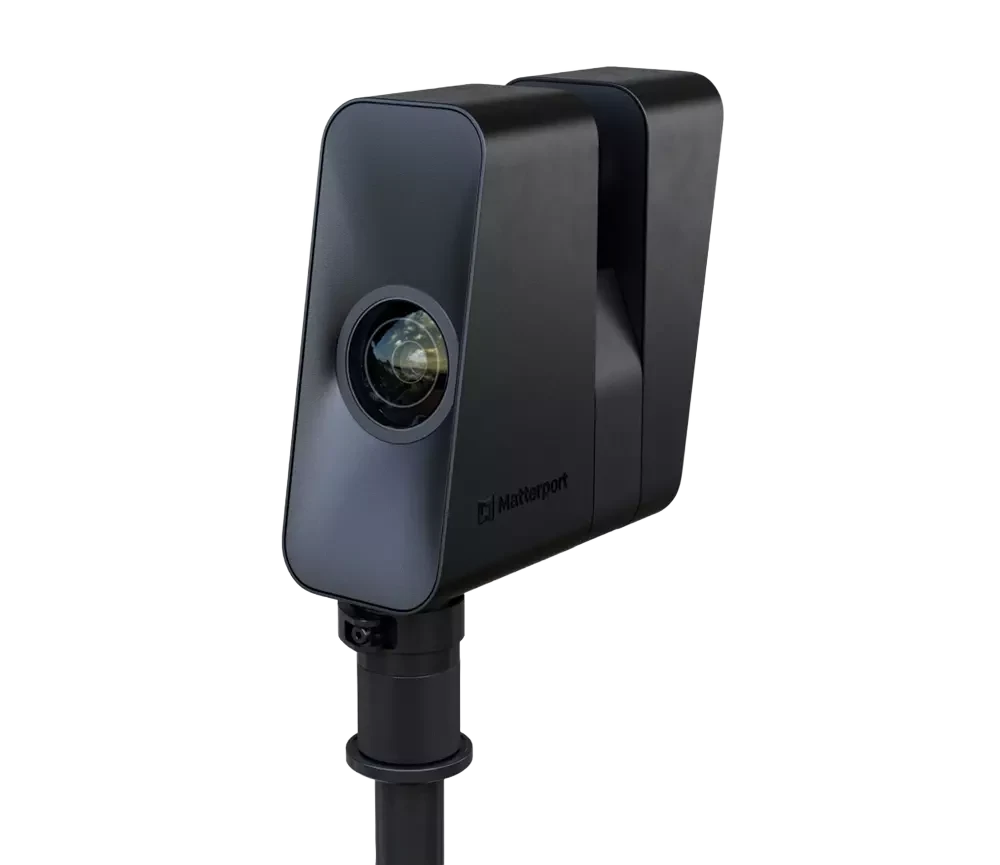
Opening a franchised store is a race against the rent, where every day saved without cutting corners counts. For a 70 m² Perene store in Balma, one hour of 3D scanning replaced the surveyor and the paper plan: four days of design instead of ten.
- 10 → 4 days
- of design for a 70 m² store
- 2× lower
- budget for the design phase
- 1 h
- on site to scan the premises
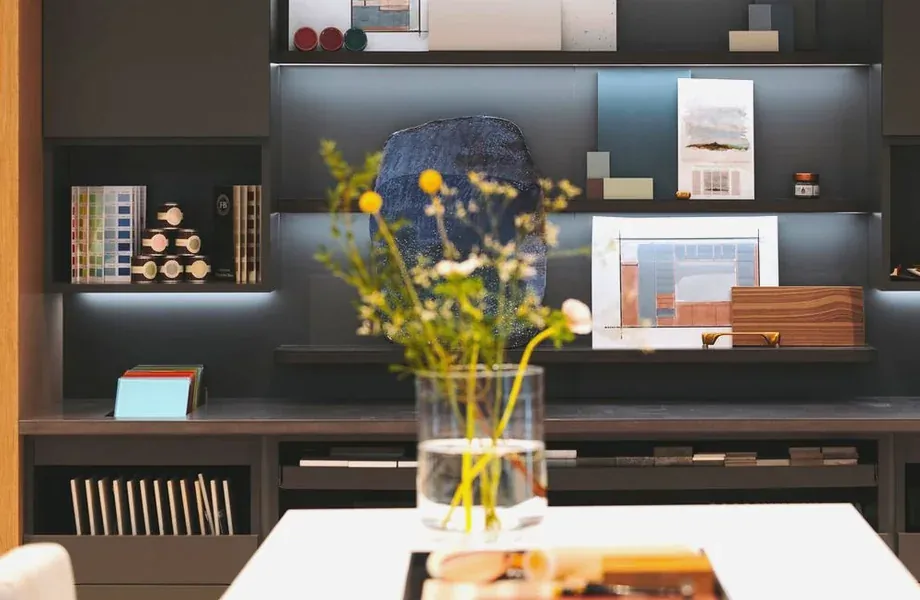
In brief
- The client
- Groupe Fournier: Mobalpa, SoCoo'c, Perene.
- The problem
- A manual design phase of around ten days for a 70 m² store.
- The solution
- The premises scanned in 1 hour, then 2D plans in 2 hours.
- The result
- Four days of design instead of ten for the Balma opening, and half the budget for that step.
Context
A franchise network that keeps growing
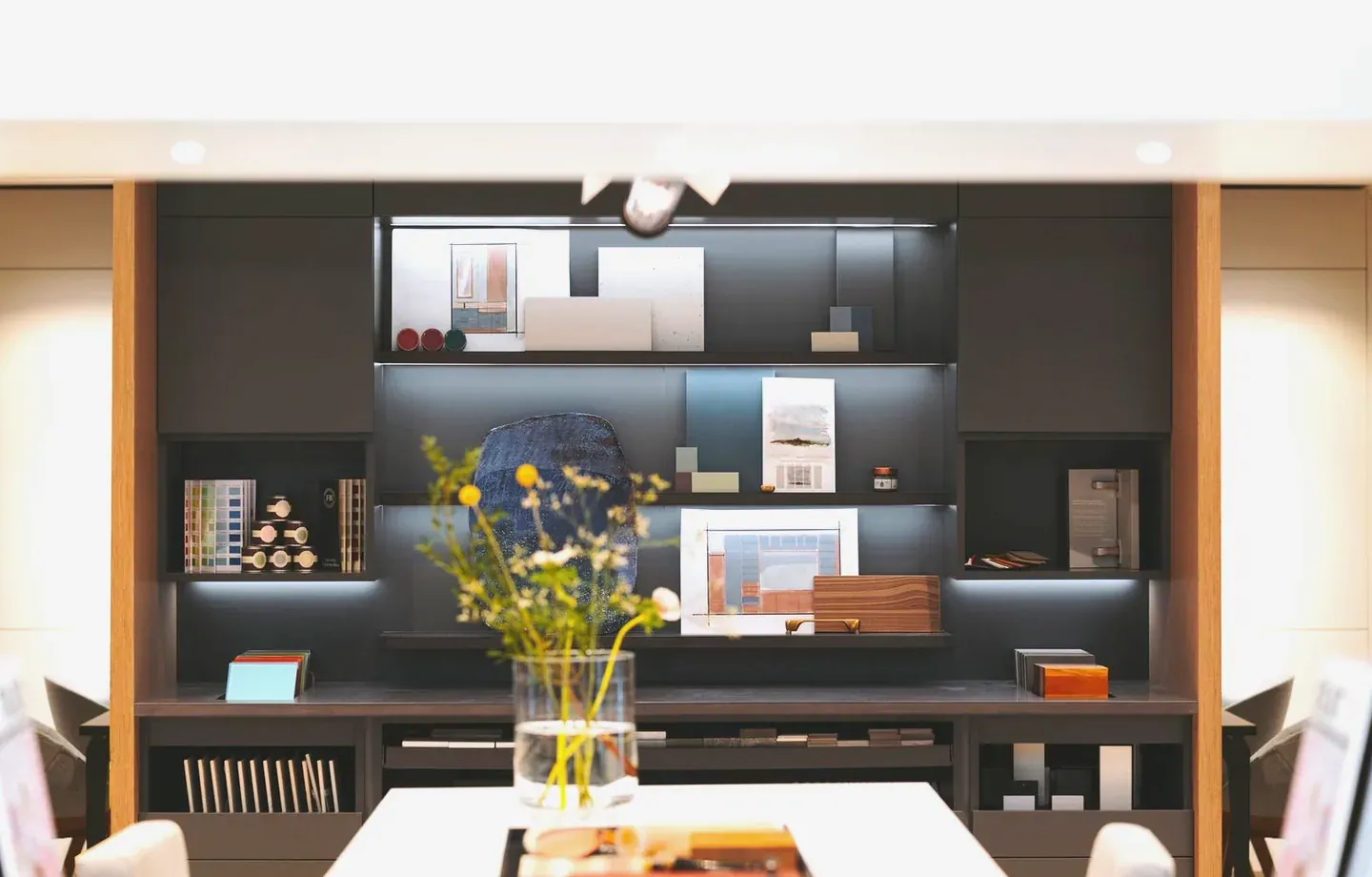
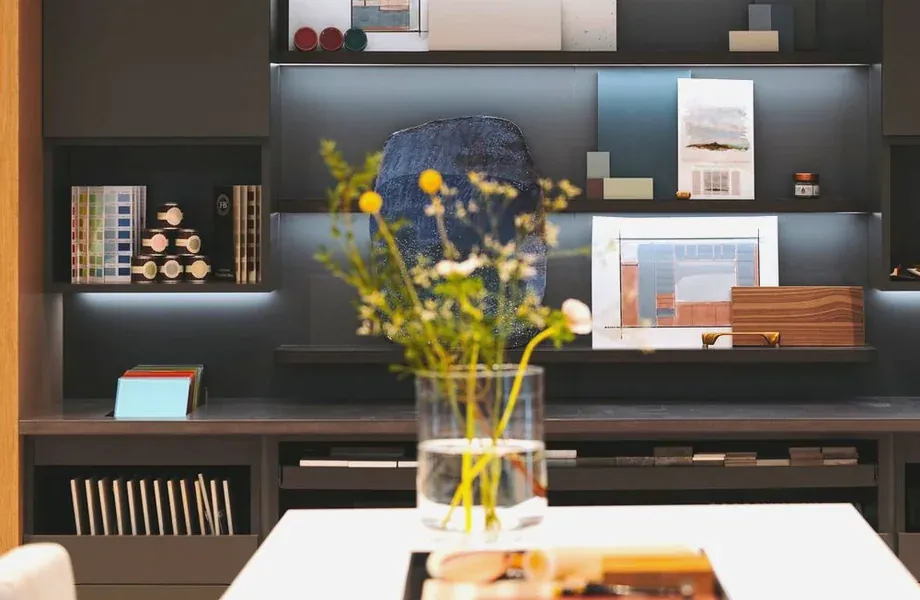
Groupe Fournier is a home interiors company that brings together well-known brands such as Mobalpa, SoCoo'c and Perene. Its model rests on a network of franchised stores that is constantly expanding, backed by trade expertise and French manufacturing know-how. The group stands out for its high standards: every opening is supported, from the brand’s visual consistency to the quality of the store layout.
The organisation was efficient, but the group wanted to simplify one step, the design of new stores, which still relied on manual surveys. The aim? To speed things up and simplify, without giving up anything on the accuracy of the plans or the speed of execution.
A long, manual and costly process
Every new store went through several technical steps, one after the other. For 70 m² premises, it took around ten days. Three difficulties added up.
- A fragmented process: a surveyor on site, a 2D plan, then 3D modelling, meaning three to four days of work tied up.
- A reliance on manual tools: laser measurement, outsourced, increased the risk of inaccuracy.
- Dimensions transferred twice: first by hand onto paper, then into software, with a risk of error at each transfer.
The end result: a longer lead time to open and a high operating cost, with every new store.
The solution
One hour on site, the 2D plans straight after
The project began with a technical discussion: what the plan was for, the key elements to survey (access points, load-bearing walls, shop windows, stockrooms) and the formats used in-house. An easyVirtual.tours franchisee then scanned the premises in a single visit. The 2D plans were then produced in two hours, and the group’s architect got started as soon as they arrived.
What the scan produced
-
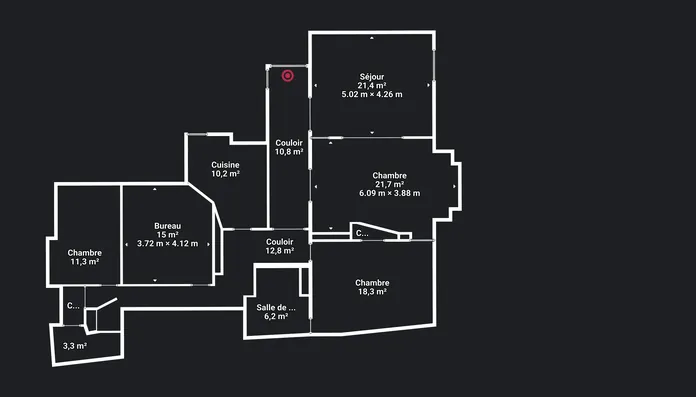 Dimensioned 2D floor plan
 -
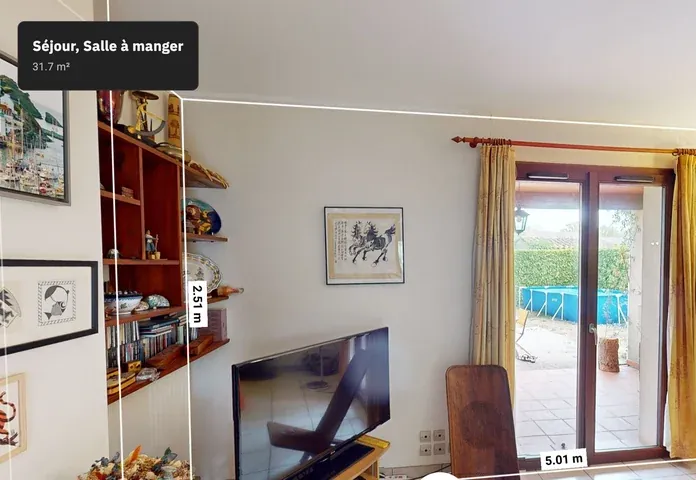 Accurate measurements
 -
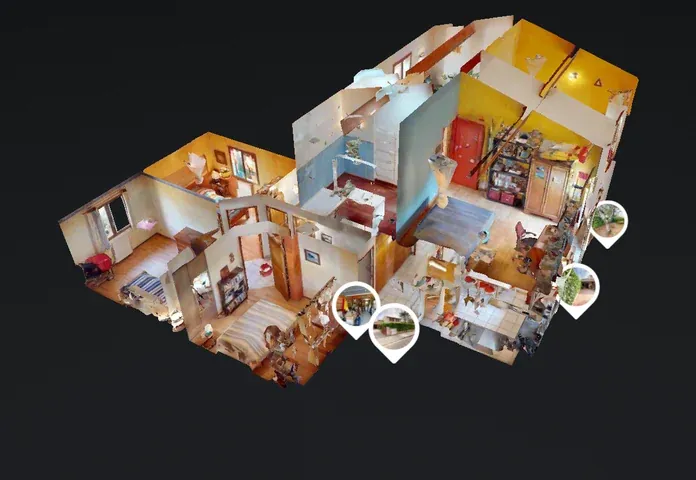 3D dollhouse view
Results
Ten days cut to four, half the budget
The comparison covers the opening of the Perene store in Balma, between the historical process and 3D scanning. The maths is simple. One hour of scanning, two hours for the 2D plans, three days of design for the architect. Four days in all, against around ten before.
10 → 4 days
for the design
For a 70 m² store, from the survey of the premises to the final plans.
2× lower
budget
For the design phase, a direct saving for the Perene franchisee.
1 h
on site
A single visit to scan the whole premises accurately.
2 h
for the 2D plans
Generated from the scan, with no manual transfer or re-keying of dimensions.
Conclusion
Opening no longer depends on a manual survey
It all comes back to the three difficulties at the start. In Balma, the fragmented process came down to three steps that follow on from one another: scanning, 2D plans, design. The hand-held laser and the outside surveyor gave way to a single one-hour visit. And the double transfer of dimensions disappeared. They come straight from the scan. The franchisee, the group and the architect all work from the same survey. Because a new store is already a challenge, its design might as well be simpler.
Written by
Lou-Anne Feroux
Marketing manager at easyVirtual.tours. She follows what virtual tours actually change for the agencies in the network and for their clients.
More case studies to explore
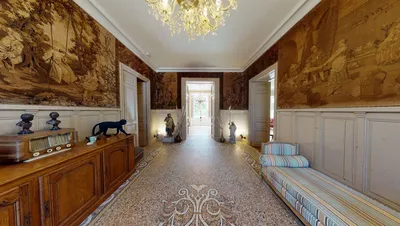 Château Saint-Joseph · Aude
How a château in the Aude won 32 qualified leads in its first year online
- +32 qualified leads
- 1 in 2 visitors come back
- 40% of in-person visits avoided
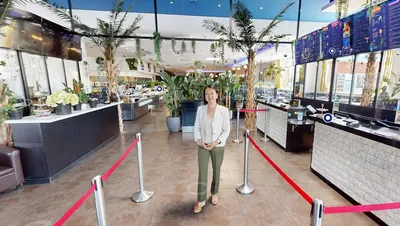 Au bout du monde · Mareuil-lès-Meaux
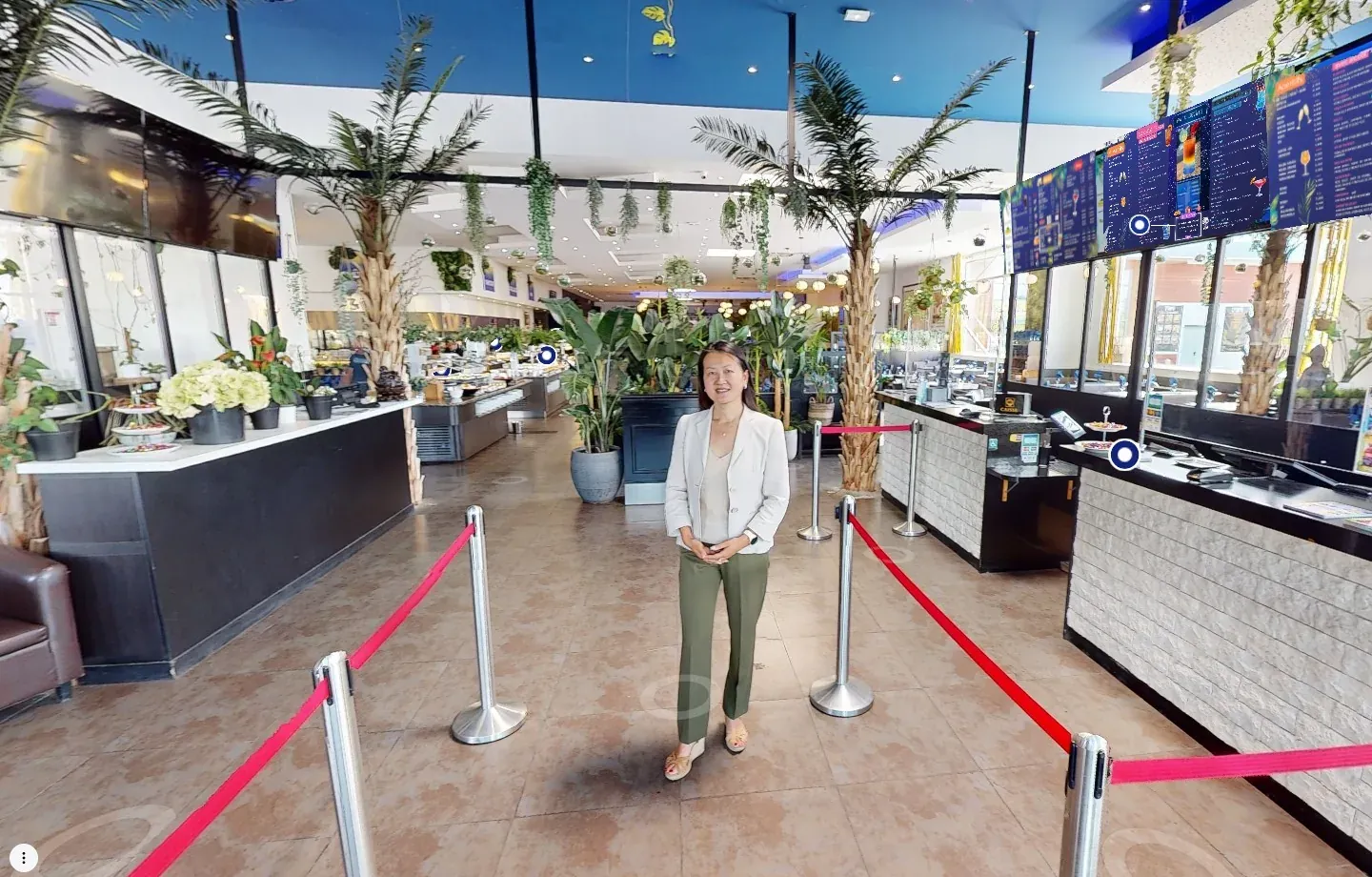
How an all-you-can-eat buffet won 76 booking intentions from its virtual tour
- +76 booking intentions
- 43,000 views in total
- 1 in 4 visitors come back
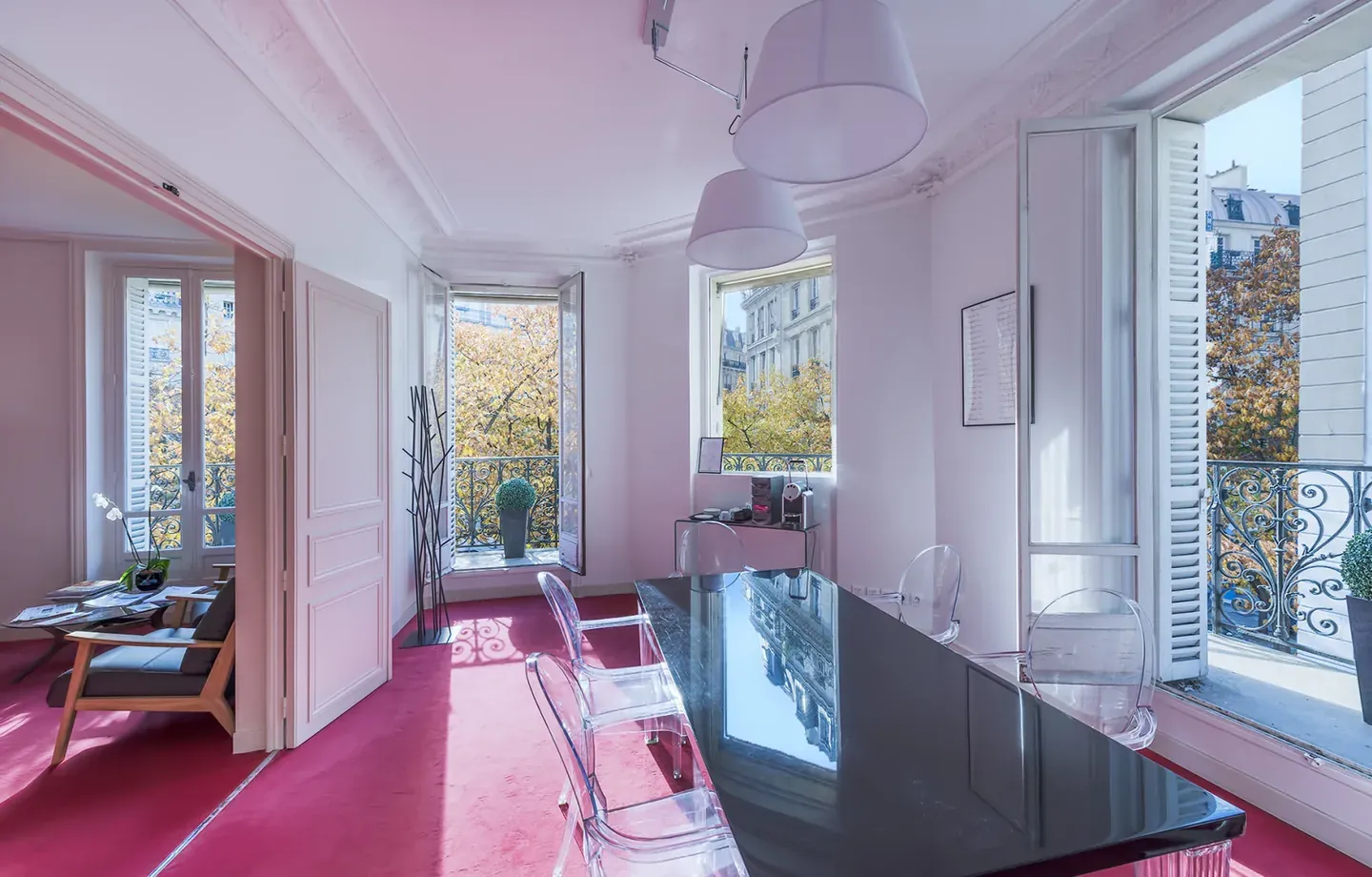
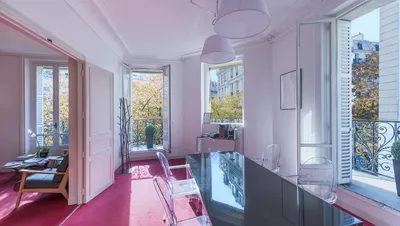 Office notarial 1661 · Paris 3rd
How Office notarial 1661 made its sales smoother and safer with a tour of every property
- > 88% minimum open rate
- 94% on the negotiator’s properties
- > once viewed per buyer
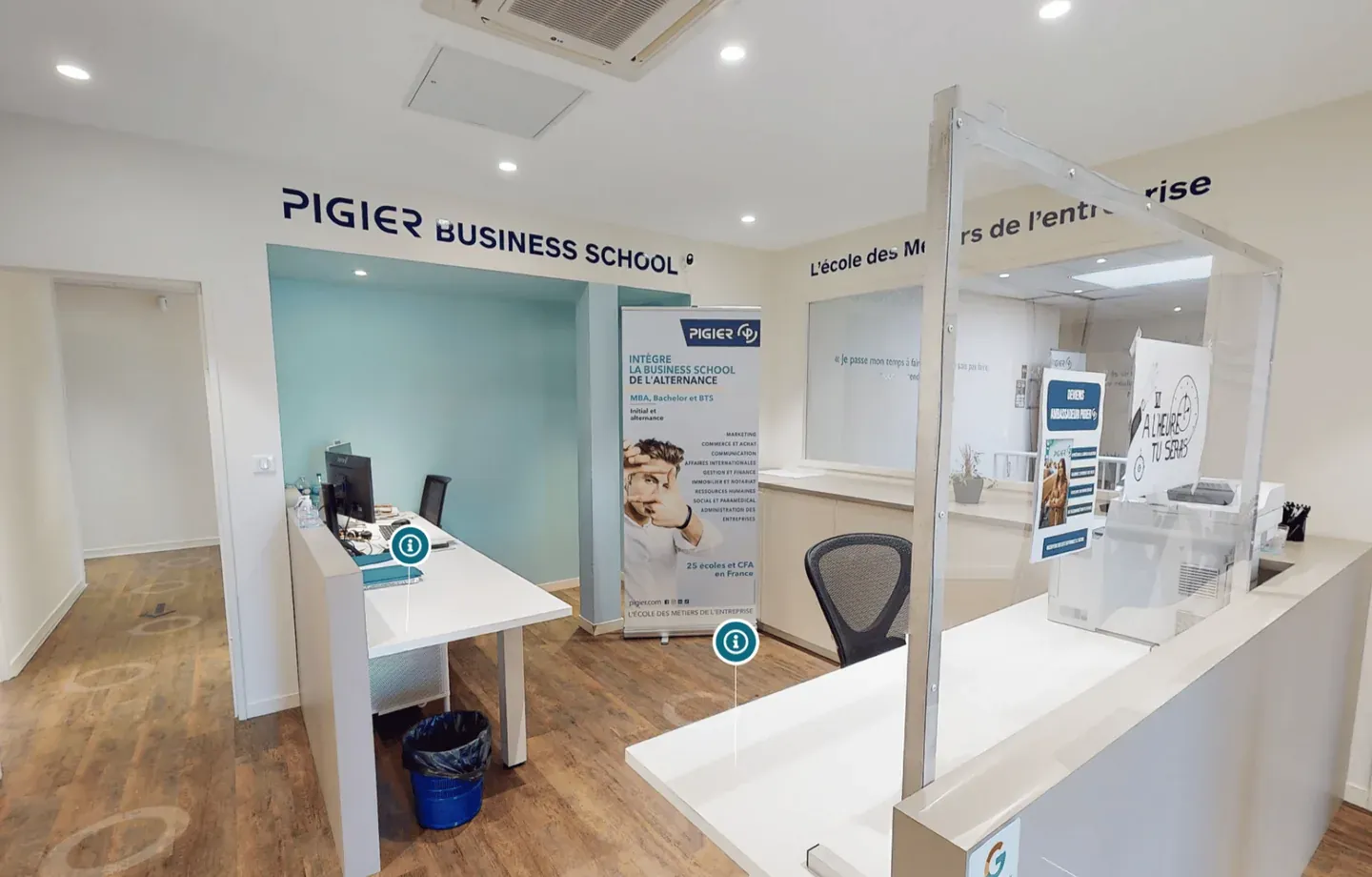
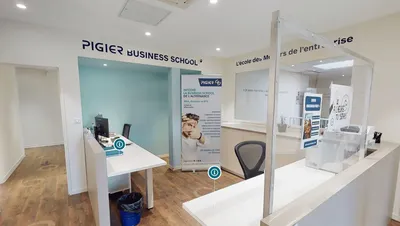 Pigier Dijon · Dijon
How Pigier Dijon built a recruitment channel viewed more than 79,000 times in three months
- +79,000 views in total
- +25 enquiries
- 1 in 6 visitors come back
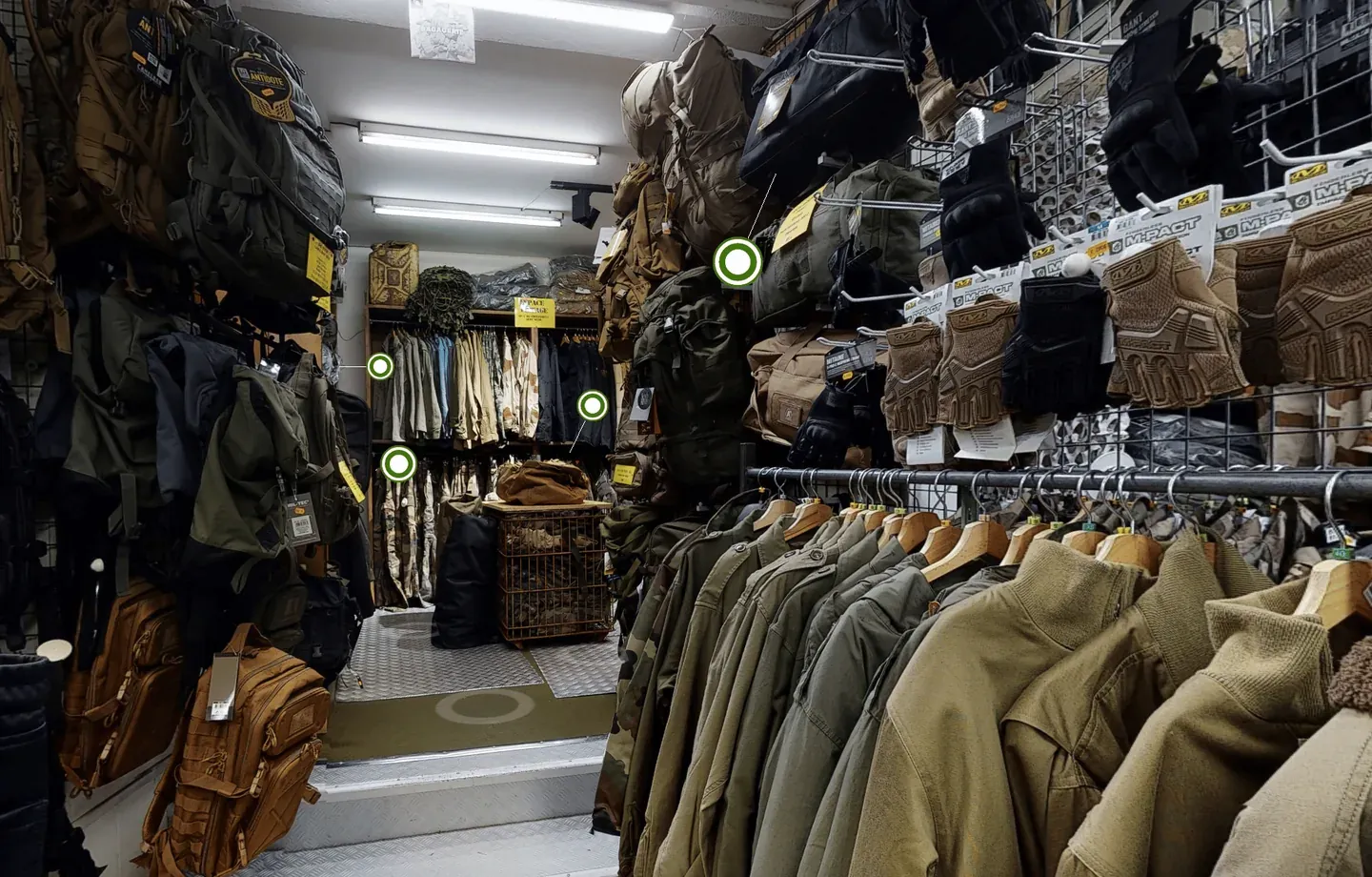
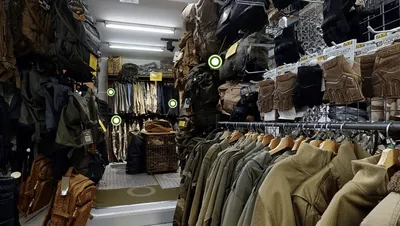 Surplus Hector · Toulouse and Saint-Orens
How Surplus Hector saw its sales rise by 30% after opening its aisles online
- +300,000 views and visits
- +30% sales
- 2 stores captured
Want the same result for your premises?
Tell us what you want people to visit, and who they are. The easyVirtual.tours agency in your area will get back to you with a scope, the options that serve your goal and a capture date.
- Reply within 24 business hours
- Free proposal, no commitment
- Tour delivered within 48 business hours
Each agency in the network sets its own prices freely and sends you a tailored proposal.