

















€750 per square metre in Nantes, over €1,500 in Paris for the same work. Yes, you read that right. For an identical job, the price of a renovation can literally double depending on which city your property is in. And yet, when you google ‘how much does a property renovation really cost’, you often end up with ranges so wide they mean nothing at all. Between €200 and €2,000 per square metre… Thanks, but that doesn’t get us very far.
The truth is that the cost of a renovation depends on a whole host of factors: location, the type of work, the initial condition of the property, the materials chosen and even the time of year you start. All these variables make every project unique, and every estimate potentially misleading if it isn’t put in context.
The main cost items in a renovation: where your money goes
Before diving into prices city by city, you first need to understand how a property renovation budget breaks down. Because no, it doesn’t all come down to the ‘price per square metre’ you are quoted. Behind that figure lie very different realities depending on the scale of the work.
Renovations generally fall into three levels:
- Light renovation (a refresh): paintwork, floor coverings, minor repairs. This is cosmetic work that touches neither the structure nor the services.
- Mid-level renovation: a new kitchen or bathroom, changes to non-load-bearing partitions, partial rewiring to current standards.
- Major renovation (full restructuring): new plumbing and wiring, a reworked room layout, insulation, and possibly work on structural elements.
Each level involves different trades, different timescales and, above all, radically different budgets. A simple refresh can cost between €200 and €500 per square metre, while a major renovation easily climbs to between €1,000 and €2,000, or even more in high-demand areas.
The items that weigh most heavily on the budget? Plumbing and electrics often come top, closely followed by joinery (windows, doors), insulation and finishes. And don’t forget an item that is often underestimated: project management fees, which usually account for 8 to 15% of the total cost of the work.
→ Did you know? A contingency line should always make up 10 to 15% of your total budget. On a renovation project, surprises (worn-out pipes, asbestos, hidden structural defects) are the rule, not the exception.
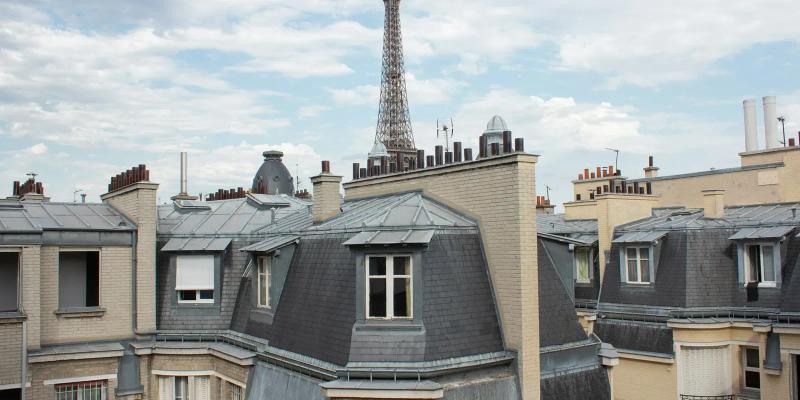
How much does a property renovation really cost in Paris?
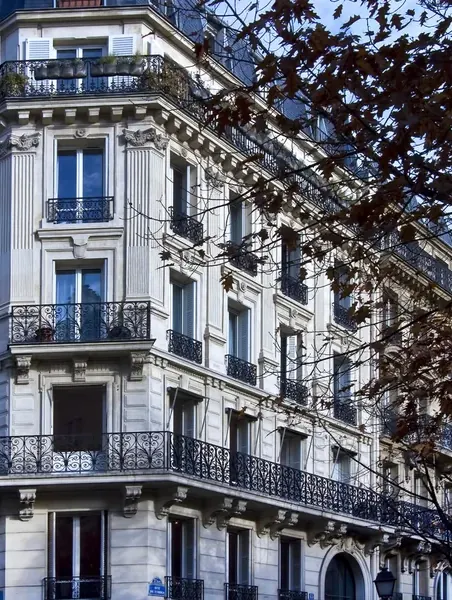
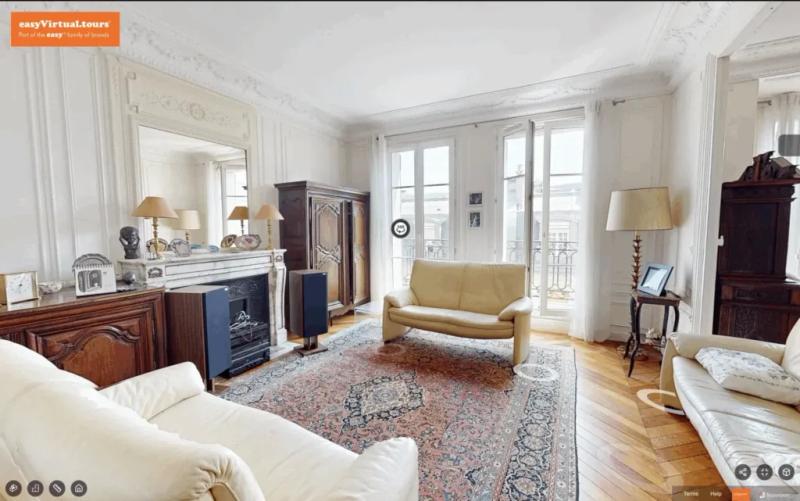
Let’s start with the capital, where prices hit their peak, and not only when it comes to buying property. Renovating in Paris means dealing with specific constraints: Haussmann-era buildings with their share of structural surprises, awkward site access (no lift, narrow streets, nowhere for lorries to park), strict rules in apartment buildings run as co-ownerships, and demand for tradespeople that far outstrips supply.
Prices there are therefore noticeably higher than in the rest of France.
These figures can make your head spin, but they reflect a well-established Parisian reality. Labour costs are 20 to 40% higher than the national average. And timescales stretch out too: allow a good 4 to 6 months for a full renovation of a 60 m² flat, compared with 3 to 4 months elsewhere in France.
How can you get round Paris prices?
There are a few ways to keep the budget in check. First, prioritise the work: not everything has to be done in one go. Next, bring in an interior architect or a project manager who knows the local network of tradespeople and can negotiate group rates. Finally, plan for the building’s co-ownership rules from the outset to avoid costly back-and-forth with the managing agent.
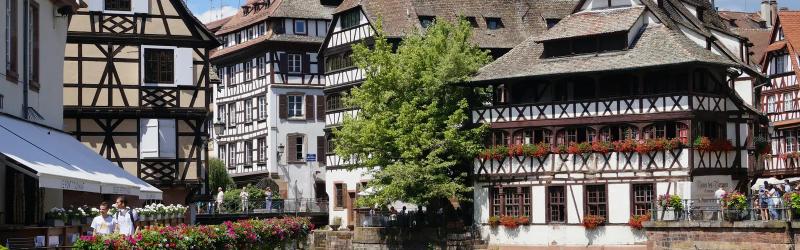
Renovating in Strasbourg: a good balance between quality and budget
Heading to eastern France, the renovation market offers much better value for money. Strasbourg has a varied housing stock: characterful buildings in the historic centre, half-timbered houses, and 1960s–70s blocks in the outer districts. Each type has its own quirks, but overall prices remain more affordable than in Paris or on the Côte d’Azur.
One thing to watch in Strasbourg: thermal insulation. The Alsace climate, with its harsh winters, makes this a particularly important item. Many older properties need internal insulation (external insulation is often not allowed in conservation areas), which can add €150 to €250 per square metre. But it is an investment that quickly pays for itself in lower heating bills.
The Strasbourg market also benefits from a dense, skilled network of tradespeople, with firms used to working on old buildings. A real advantage when you are renovating a flat in Petite France or the Krutenau district.
→ Tip: in Strasbourg, look into the specific energy-renovation grants offered by the Eurométropole, the metropolitan authority. They come on top of national schemes such as MaPrimeRénov’, the French state renovation grant, and can save you several thousand euros on your project.
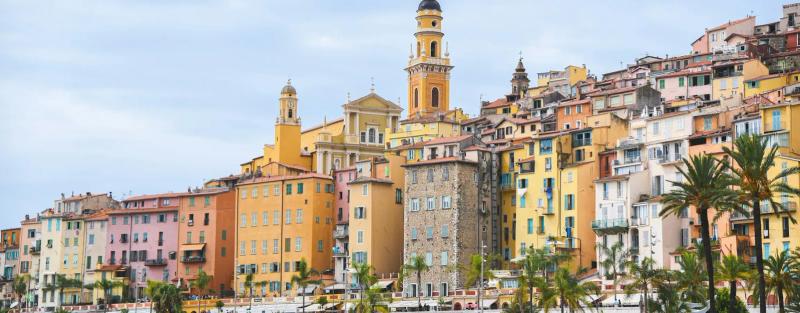
Nice and the Côte d’Azur: you pay for the sunshine in renovation costs too
Ah, Nice. The sunshine, the Promenade des Anglais, the colourful façades of the old town… and renovation prices that can sometimes make you dizzy. Life on the Riviera may be sweet, but the quotes rarely are.
Several factors explain this. First, strong demand: the Nice property market is driven by discerning buyers (upmarket main homes, second homes, high-end buy-to-let investments) who push prices up. Then there are the logistical constraints: the narrow lanes of the old town, buildings without lifts and strict rules in protected areas.
Prices in Nice are therefore close to those in Paris, though they don’t always reach them. The difference is mostly in the finishes: buyers on the Côte d’Azur tend to be more demanding about materials (natural stone, high-end joinery, home automation), which pushes the bill up.
One thing specific to Nice: air conditioning. Unlike in other cities, it is almost a must here. Installing a reversible air-conditioning system in a 70 m² flat adds between €4,000 and €8,000, depending on the technology chosen and how complex the installation is.
How can you get round Côte d’Azur prices?
On the Côte d’Azur, the key lies in your choice of materials. Smart alternatives can give a very high-quality finish: natural-stone-effect porcelain stoneware instead of real marble, for example, can save 30 to 50% on flooring without sacrificing looks. A good interior architect will steer you towards these clever trade-offs.

‘The easyVirtual.tours virtual tour has become a natural part of the way we work at Ynspir and Montclair, especially for building projects that involve a renovation phase. It helps us take measurements more quickly and present properties in a more immersive, more accurate way, with a better grasp of the volumes, the general condition, the circulation and the potential for transformation. Used as a virtual tour for renovation, it also becomes a genuine project management and client presentation tool. We can go back into the space at any time, check technical points, discuss measurements and share a clear point of reference with everyone involved.’
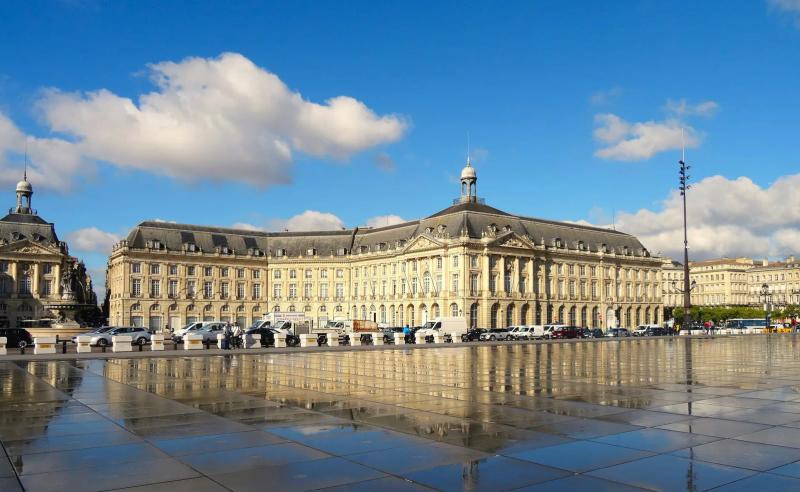
Bordeaux: a city in full transformation, with prices on the move
Bordeaux has changed dramatically in recent years. The arrival of the high-speed rail line (LGV), the redevelopment of the riverside quays, a buoyant economy: all of this has boosted the property market and, as a knock-on effect, the renovation market. Prices have risen significantly, but remain below those in Paris and Nice.
Bordeaux’s housing stock has one distinctive feature: its famous échoppes, typical single-storey townhouses built in pale blond stone. Renovating an échoppe is an exciting project, but it comes with its challenges: stone walls to insulate (without spoiling them), timber floors to repair, roofs to redo. The budget for a full renovation of a 90 m² échoppe is generally between €100,000 and €160,000, depending on its initial condition and the level of finish you want.
Bordeaux does have one advantage, though: a pool of skilled tradespeople that has grown considerably with the property boom. Competition works in owners’ favour, provided you compare quotes carefully and don’t jump at the first firm that comes along.
→ Handy tip: in Bordeaux, projects started between November and February often get more competitive rates. Tradespeople have fewer requests in winter and are more willing to adjust their prices. Savings of 5 to 10% are not unusual.
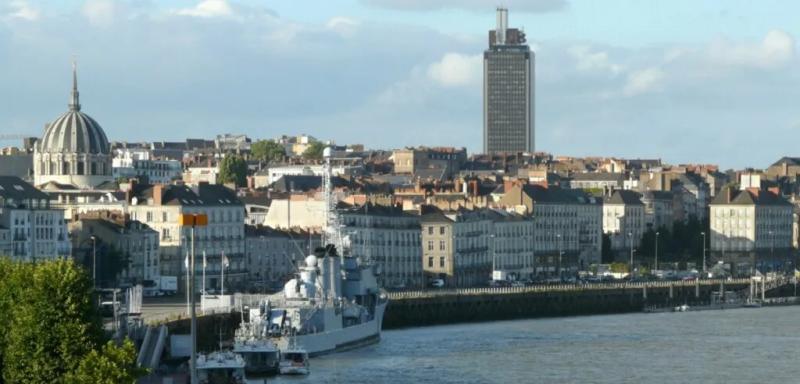
Nantes: the best value for money among France’s big cities?
We may have saved the best till last. Nantes stands out as one of the most attractive French cities in terms of renovation costs. Prices are noticeably lower than in Bordeaux or Lyon, while still giving you access to skilled tradespeople and a lively property market.
Nantes has an eclectic housing stock: 19th-century buildings on the Île Feydeau, workers’ houses in the Chantenay and Doulon districts, and post-war blocks from France’s 1945–75 boom years just about everywhere. This variety brings a range of issues, but costs remain broadly under control.
A little-known strength of Nantes: the city has a particularly well-developed eco-renovation ecosystem. Many tradespeople are trained in sustainable renovation techniques (bio-based insulation, eco-friendly materials, high-performance ventilation systems). The extra cost of these greener choices is less marked there than elsewhere.
For an 85 m² flat needing a mid-level renovation (new kitchen, refitted bathroom, full redecoration, sanded floorboards), you are looking at around €65,000 to €80,000 in Nantes. The same project in Paris? Allow more like €90,000 to €110,000. That is a significant gap.
The national comparison: where renovating costs least (and most)
To make things clearer, here is a summary table putting the five cities side by side. It is based on a mid-level renovation, the most common scenario:
In short, renovating a flat in Paris costs on average 35% more than the national average, while Nantes sits right on the average. These gaps come down to three main factors: the cost of local labour, how stretched the market for tradespeople is and the specific constraints of each city’s buildings.
The hidden factors that blow the budget
Beyond location, some items are real ‘budget-eaters’ that many owners underestimate. Knowing about them is already half the battle.
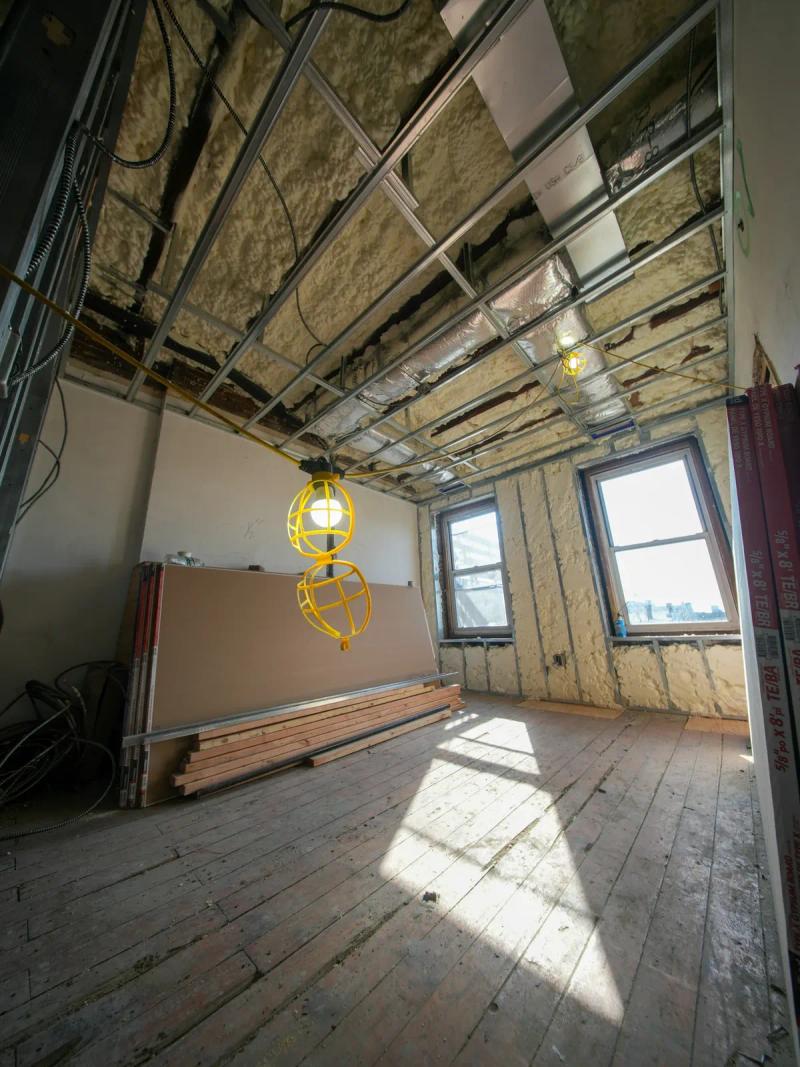
Asbestos and lead
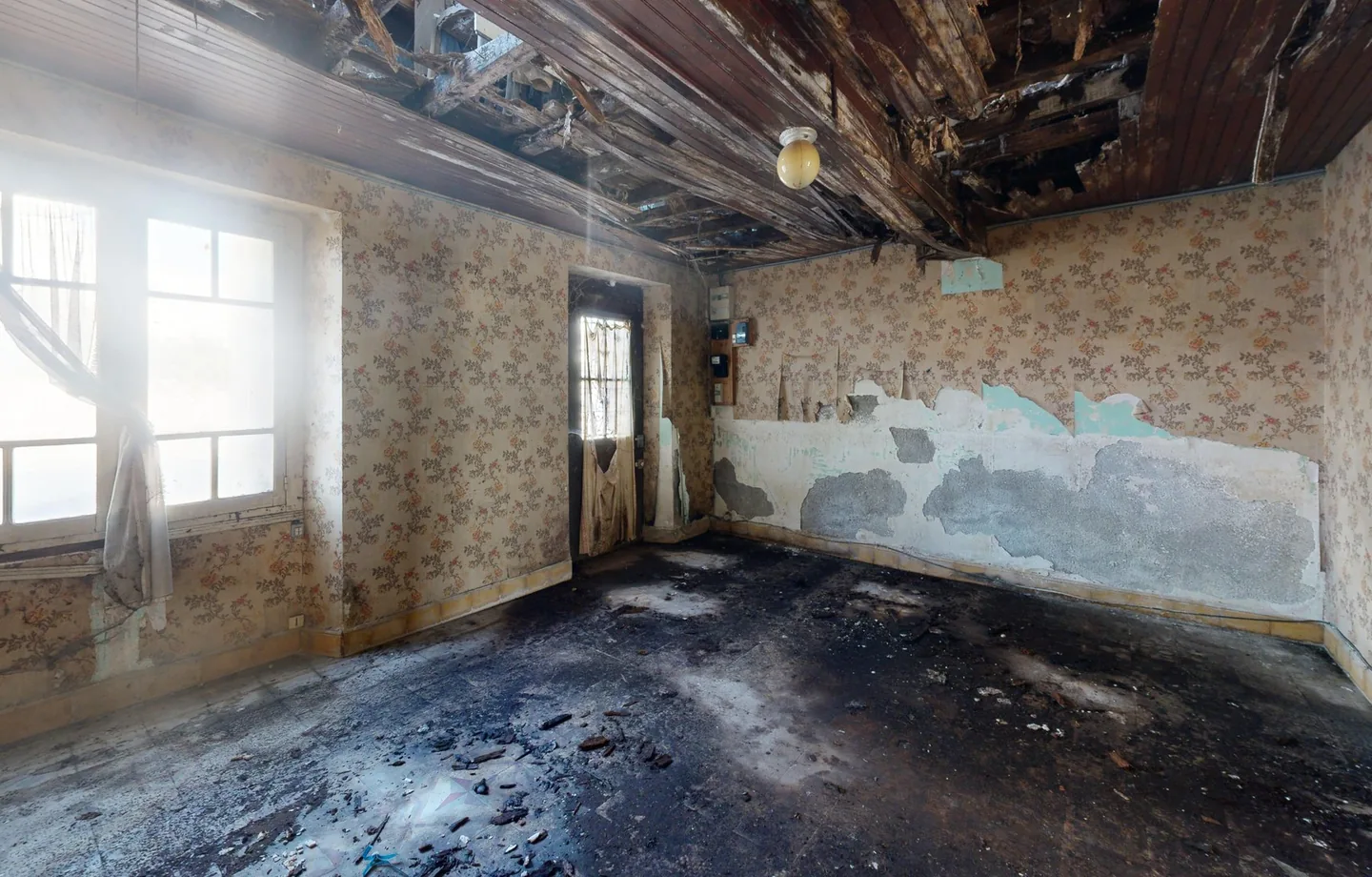
In buildings put up before 1997, asbestos is common (floor tiles, adhesives, sprayed coatings, pipework). Asbestos removal is a regulated, costly and unavoidable operation. Allow between €25 and €60 per square metre for removal, plus the preliminary surveys (between €150 and €400). Lead, found in old paintwork, calls for similar precautions.
Bringing the electrics up to standard
A classic. In an older flat, bringing the consumer unit and the wiring fully up to standard costs between €80 and €150 per square metre. It is non-negotiable for safety reasons, and it often makes up 10 to 15% of the total budget for a major renovation.
Extra costs that are often forgotten
Insurance: structural defects insurance (assurance dommages-ouvrage, compulsory in France for major works), which accounts for 2 to 4% of the project cost
Architect or project manager fees: 8 to 15% of the cost of the work
Co-ownership costs: permissions, deposits, making good the communal areas
Temporary rehousing: if the work makes the home uninhabitable, you need to budget for somewhere else to stay (between €800 and €2,500 a month, depending on the city)
All these ‘invisible’ items can easily add 15 to 25% to the budget you first planned.
How to keep your renovation costs under control: our practical advice
Knowing how much a property renovation really costs is good. Knowing how to make the most of that budget is even better. Here are the most effective levers, the ones we always recommend.
1. Get a full survey done before pricing the work
Too many owners ask for quotes without having had a thorough technical survey done first. Nasty surprises then pile up during the works and the budget spirals. A full survey (structure, services, insulation, presence of pollutants) costs between €500 and €1,500, but it can save you tens of thousands of euros by avoiding the unexpected.
2. Prioritise the work
Not everything has to be done at once. A renovation project can perfectly well be phased: start with the structural and technical work (electrics, plumbing, insulation), then tackle the finishes later. This spreads the investment and keeps some financial breathing room.
3. Compare at least three detailed quotes
It sounds obvious. And yet. Many owners settle for one or two quotes, often for lack of time or out of blind trust in a recommendation. But prices can vary by 30 to 40% between tradespeople for equivalent work. Insist on quotes itemised line by line, and compare like with like.
4. Don’t overlook financial support
In France, MaPrimeRénov’, Energy Savings Certificates (CEE), the interest-free eco-loan (éco-PTZ) and local grants: the landscape of renovation support is crowded and sometimes complex, but it would be a shame to miss out. For a whole-house energy renovation, combined support can cover 30 to 50% of the cost of insulation and heating work.
5. Get professional support
Interior architect, project manager, construction cost consultant: these professionals are not an extra cost but an investment. Their expertise helps optimise technical choices, negotiate with contractors, oversee the works and avoid costly mistakes. On a sizeable renovation project (over €50,000), bringing them in almost always pays for itself.
Renovation: investment or expense?
It is the question every owner should ask before getting started. And the answer is almost always the same: a well-run renovation is an investment, not an expense.
In Paris, a full renovation can increase a flat’s value by 15 to 25%. In Bordeaux or Nantes, the gain is generally between 10 and 20%. Even in Nice, where prices per square metre are already high, a tastefully renovated property sells noticeably faster and for more than one sold ‘as is’.
But beyond the financial gain, there is the day-to-day gain. Living in a space that feels like yours, practical, comfortable and full of light: you can’t put a price on that. Or rather, you can. And now you know what it is.
So, how much does a property renovation really cost? Between €280 and €2,200 per square metre, depending on the city, the type of work and the level of finish. But behind those figures, every project is a unique story that deserves tailored support. If you are thinking of renovating your property, don’t hesitate to get in touch for an initial chat. We love talking building sites, budgets and transforming spaces. And we promise not to give you a price range with €1,800 between the top and the bottom.