












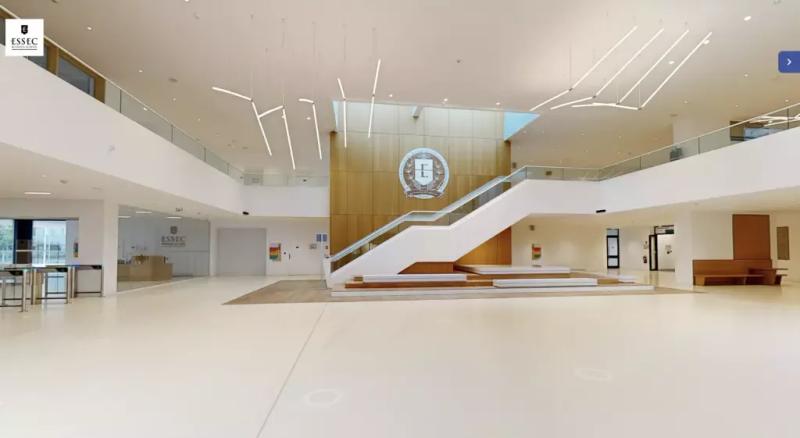
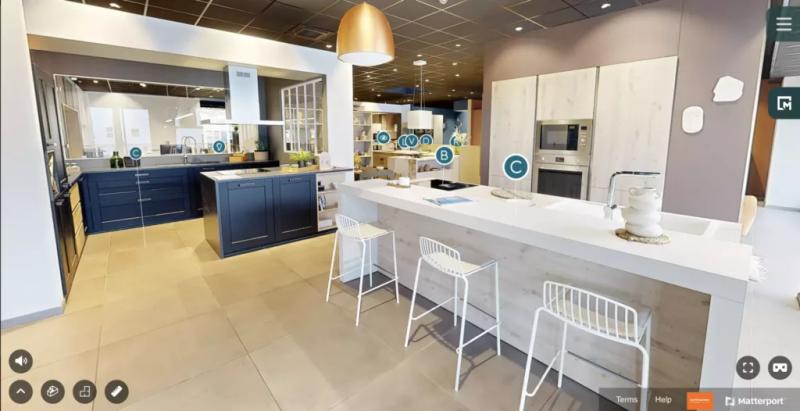
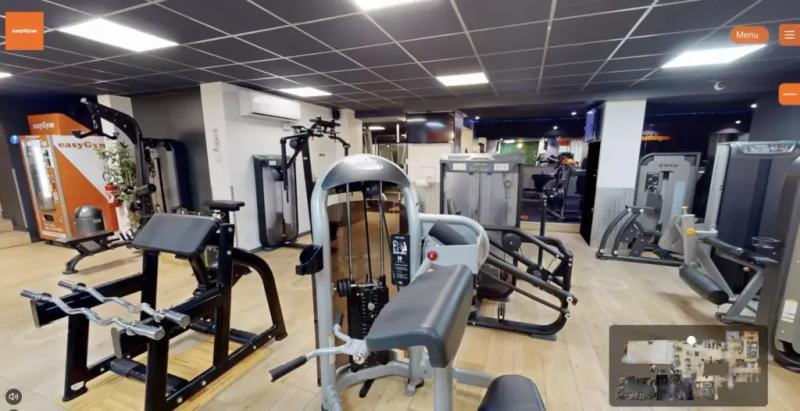
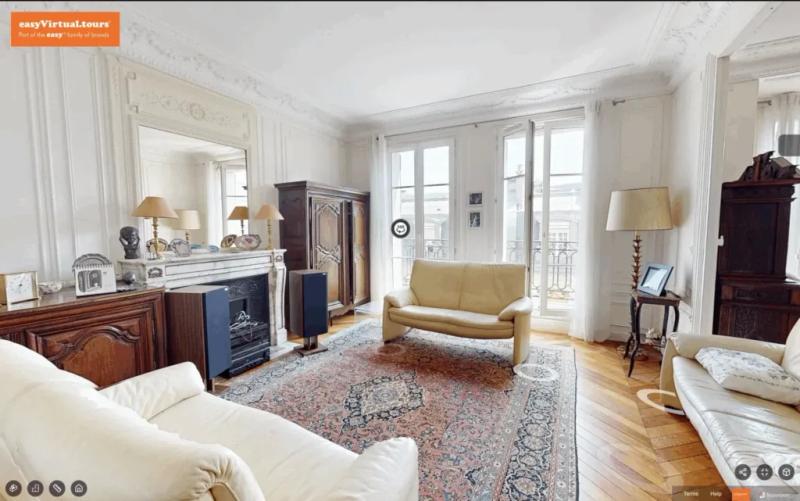







Digital marketing never stands still. Businesses have to keep finding new ways to attract customers and keep them coming back. One of these is immersive marketing, which creates a distinctive, memorable brand experience. Neuromarketing is one of the techniques immersive marketing draws on to improve the user experience. In this article, we explain how neuromarketing can be used to make virtual tours better.
Immersive marketing: a one-of-a-kind user experience
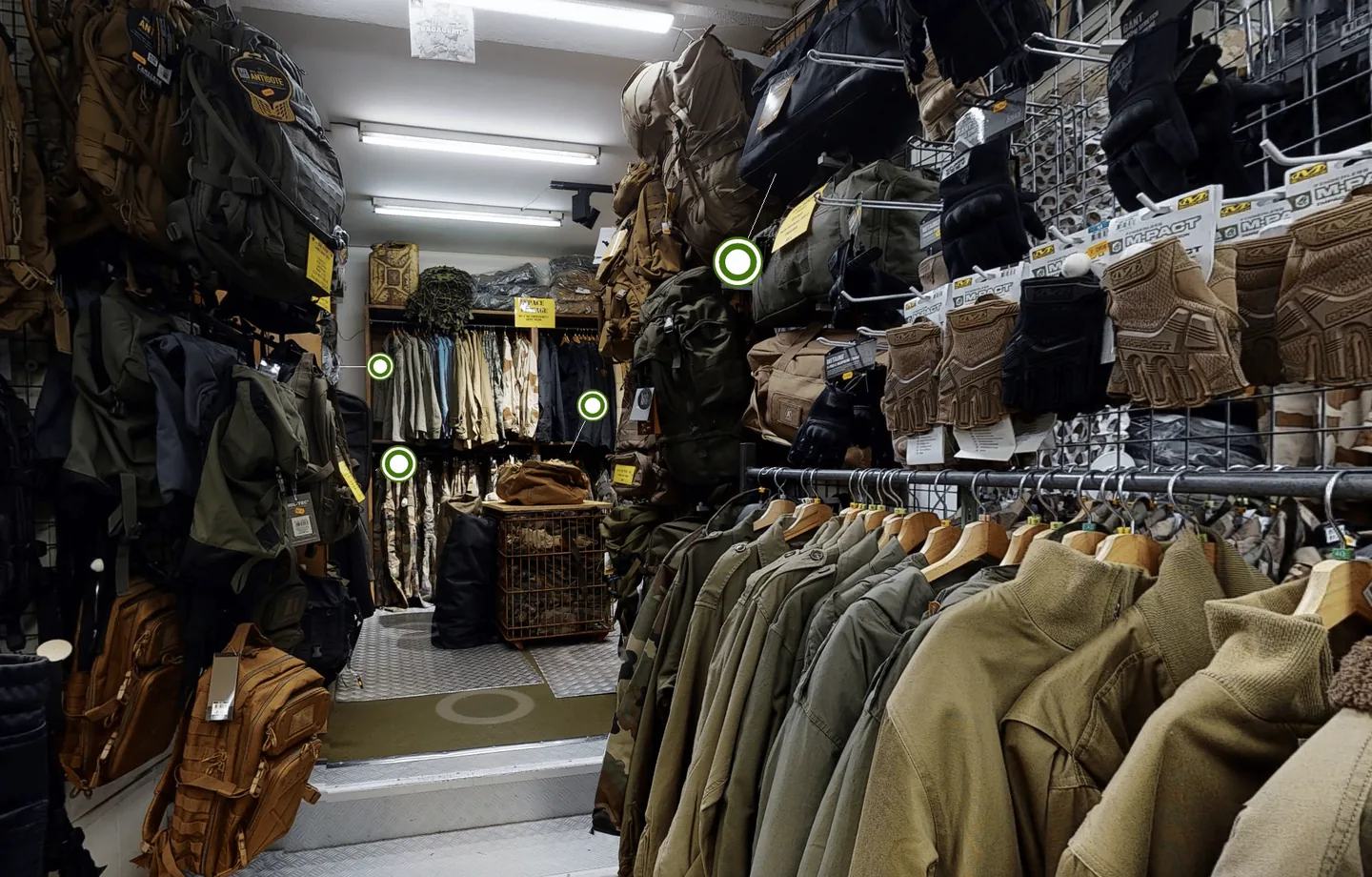
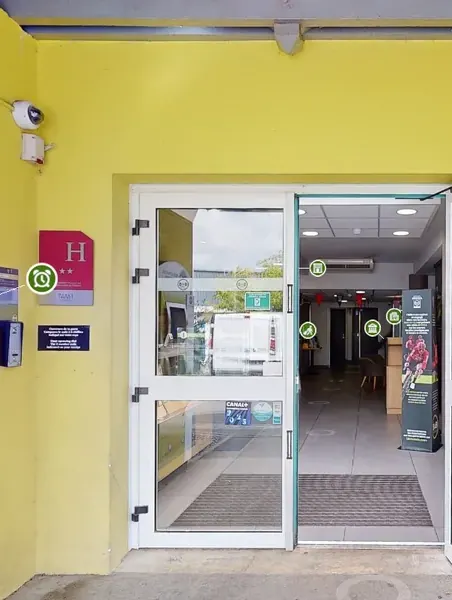
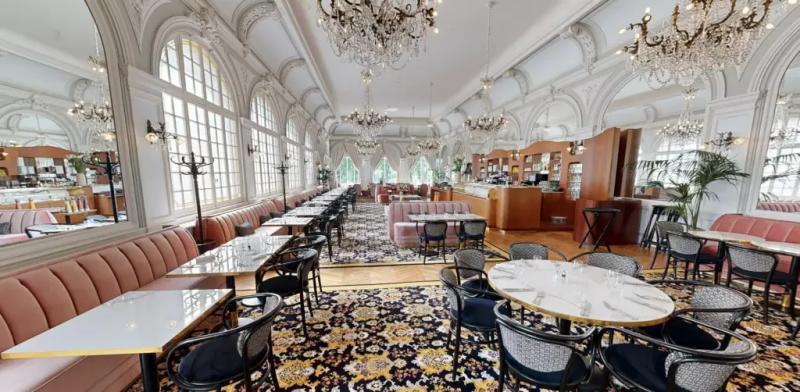
Immersive marketing gives consumers a genuine experience rather than a message. It draws them fully into the world of a product or brand. Virtual tours are a good example, because they let customers feel they have stepped inside the business. With a well-designed virtual tour, customers can explore a space in 3D, look closely at the products or services on offer, interact with clickable elements and get a real sense of being there. Immersive marketing is an effective way for a business to offer a memorable brand experience and stand out from its competitors.
What is neuromarketing?
Neuromarketing is the scientific study of how the brain responds to marketing stimuli. Using brain imaging and other methods, neuromarketing researchers can identify which areas of the brain are activated when consumers see adverts, brand messages or buying experiences. Those findings can then be used to design more effective advertising campaigns and more engaging brand experiences. The technique is increasingly used in digital marketing, where consumers are bombarded with adverts all day long.

Neuromarketing applied to virtual tours
Neuromarketing can help optimise a virtual tour by pinpointing what sparks visitors’ interest and keeps them engaged. For instance, neuromarketing studies have shown that people remember information better when it is told as a story than when it is presented as raw data. A virtual tour that tells a story through its images and audio commentary is therefore more likely to capture visitors’ interest and hold it.
Colours, sounds and movement likewise all affect how the brain responds to a virtual tour. Drawing on what neuromarketing has learned, businesses can design virtual tours that use these elements effectively to capture visitors’ attention.
In short, immersive marketing creates a realistic brand experience, while neuromarketing helps you understand what customers prefer. By combining the two, businesses can offer user experiences that are more personal, better suited to their customers’ needs and more memorable, as virtual tours are.